
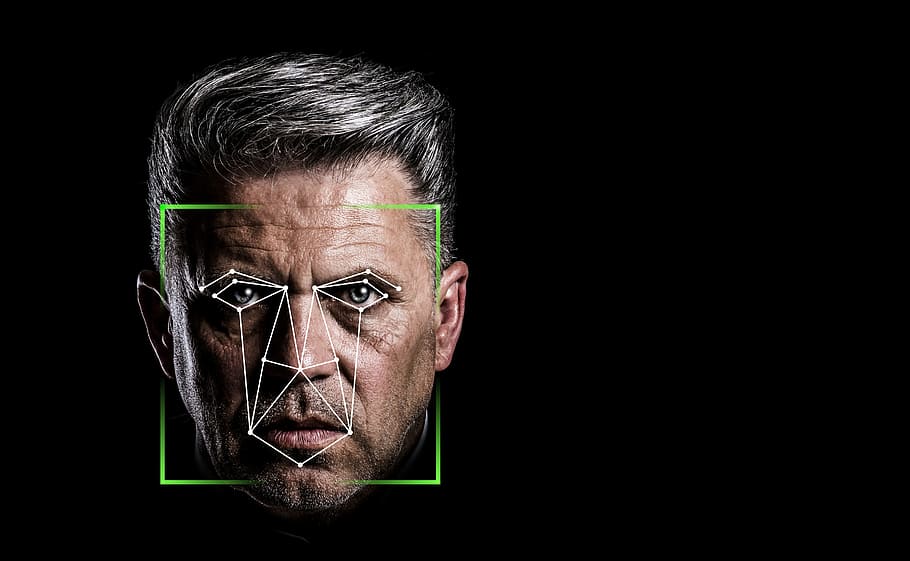
The debate over racial bias in tech has been renewed as a university in America claims it can “predict criminality” through facial recognition.
Researchers at Harrisburg University claim that they can “predict if someone is a criminal based solely on a picture of their face” through software “intended to help law enforcement prevent crime”.
One member from the Harrisburg research team in particular claimed that “Identifying the criminality of [a] person from their facial image will enable a significant advantage for law-enforcement agencies and other intelligence agencies to prevent crime from occurring.”
The university have said that this research would be included in a Springer Nature book, however, Springer have stated that this was “at no time” accepted, claiming that the research “went through a thorough peer preview process. The series editor’s decision to reject the final paper was made on Tuesday 16 June and was officially communicated to the authors on Monday 22 June”
Whilst the Harrisburg researchers claim their technology holds “no racial bias” through its operations, there has still been considerable backlash from this research - 1,700 academics signing an open letter demanding this research stays unpublished.
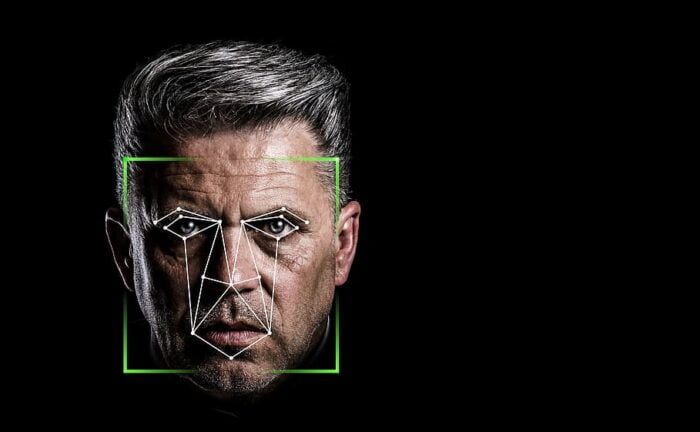
The Coalition for Critical Technology, and organisers of this open letter, have stated that “Such claims are based on unsound scientific premises, research, and methods, which numerous studies spanning our respective disciplines have debunked over the years.” and that “all publishers must refrain from publishing similar studies in the future”.
The group have raised attention to the distorted data that feeds this perception of what a criminal “looks like”, pointing to a number of studies that suggests harsher treatment for ethnic minorities throughout the criminal justice system.
Computer-science researcher at Cambridge University Krittika D’Silva commented: “It is irresponsible for anyone to think they can predict criminality based solely on a picture of a person’s face.”
“The implications of this are that crime ‘prediction’ software can do serious harm – and it is important that researchers and policymakers take these issues seriously”
D’Silva also points to the number of studies revealing machine-learning to hold various different biases “Numerous studies have shown that machine-learning algorithms, in particular face-recognition software, have racial, gendered, and age biases”
Harrisburg University have decided not to publish this paper on the facial recognition software, stating the news release that outlined the research, titled “A Deep Neural Network Model to Predict Criminality Using Image Processing” has been removed at the involved faculty’s request, and further that publication the research was going to appear in has since decided against this. The university state on their website:
“Academic freedom is a universally acknowledged principle that has contributed to many of the world’s most profound discoveries. This University supports the right and responsibility of university faculty to conduct research and engage in intellectual discourse, including those ideas that can be viewed from different ethical perspectives. All research conducted at the University does not necessarily reflect the views and goals of the University.”

What Industries Could AI Impact the Most?
From virtual health care assistants to driverless taxis, AI is transforming the way the world operates, making processes more productive and efficient. Read more.
How AI Is Used in Our Everyday Lives
AI permeates several aspects of our everyday lives, from our from smart phones to shopping and much more. Learn more about the impact of AI here.

How Is AI is Changing The World?
Artificial Intelligence (AI) has the power to change the world across multiple sectors including business, healthcare, transport and education. Learn more here.
How Could AI Change Future Workplaces
AI has the power to change the future of working globally. Read more about how AI can assist with staff collaboration, hiring employees, and remote working here.
How Can Machine Learning Help My Business?
Machine learning can help your business thrive by processes such as automating decisions, mundane tasks, and security. Find out more here.
Hot Models
During Covid-19, AI or non-human solutions were being used to model potential outcomes and solutions. Read how this was done and the findings that came from AI.
Optalitix selected to participate in Lloyds Lab
The Optalitix team are delighted to have been selected to participate in cohort 4 of the Lloyds Lab. Read more about their application and success in this guide.
How do machine learning models work?
There are a variety of regression and classification models within both the supervised and unsupervised categories of machine learning, a type of AI.

Will machine learning replace humans?
Machine learning technology has already started to replace humans, yet it has potential to create many opportunities and enable people to do their job better.

Is AI taking jobs?
Developments in AI led to machines taking predominantly unskilled jobs, and this looks set to continue. Learn more about how AI is impacting the workforce here.

How is AI being used in healthcare?
New AI technology from Microsoft and Google is able to detect diseases such as prostate cancer and diabetic retinopathy. Learn more the NHS's use of AI.

How is AI used in financial services?
The financial services industry is being transformed by AI. Learn how AI is used as robo-advisory services, chatbots, and algorithmic trading in finance.
What is the AI industry worth?
The AI industry is estimated to be worth somewhere in the region of $5 trillion dollars, and this number is only set to increase in the future. Learn more here.

How does machine learning work?
Machine learning algorithms are a type of AI that can learn patterns and processes with minimal to no human intervention. Discover more about how they work here.
How is machine learning used in finance?
The financial sector is increasingly using machine learning in order to be more accessible, efficient and provide a better customer experience overall.