
Underwriting Workbench: A Practical Guide
A practical guide to underwriting workbenches, covering workflows, pricing models, risk management and the features insurers should consider.

A practical guide to underwriting workbenches
Insurance markets are becoming more complex, more competitive and more closely scrutinised. To keep pace, insurers need better ways to manage submissions, assess risk and make underwriting decisions with greater consistency.
One technology that many insurers are now exploring is the underwriting workbench: a digital workspace that helps teams manage submissions, apply pricing models, review risk information and track underwriting decisions in one place.
An underwriting workbench gives teams a more structured way to manage the risks entering the business. It helps underwriters review incoming opportunities, understand how each risk fits within the wider portfolio and make decisions that remain aligned with the insurer’s risk appetite.
For many insurers, this is becoming increasingly important. Regulatory expectations around risk management continue to grow, and manual processes often make it harder to maintain a clear view of risk across teams, products and business lines.
The benefits of underwriting workbenches include:
- Improved risk management
- Lower loss ratios
- More efficient underwriting workflows
- Greater visibility across underwriting activity
These benefits are encouraging insurers to look at underwriting workbenches as part of their wider technology upgrade plans. In this blog series, Dani Katz, Co-Founder of Optalitix, will share key considerations and lessons learned from his experience deploying workbenches for insurers.
What Models are used in an underwriting workbench?
When selecting a workbench, insurers need to understand which model types the platform can support. Insurance businesses use a wide range of modelling tools, although Excel remains the most common.
From our experience implementing workbenches across different insurance product lines, underwriting platforms need to support a broad range of model types. This includes spreadsheets, Python, R models and specialist insurance pricing software.
Every insurer needs an underwriting workbench that can work with the models they already use, while also giving teams the flexibility to build new models for specific underwriting requirements. This allows insurers to modernise their underwriting process without losing the value of existing pricing logic, data and expertise.
Essential underwriting workbench features
An underwriting workbench should support the core tasks involved in managing quotes and underwriting decisions. These include quote triaging, underwriting request tracking, quote documentation and issuance, client and broker communication, quote binding and secure data transfers.
Having these capabilities in place helps underwriting teams work more efficiently and makes collaboration with other departments easier. It also gives the business a clearer, more consistent process for managing quote activity from submission through to decision.
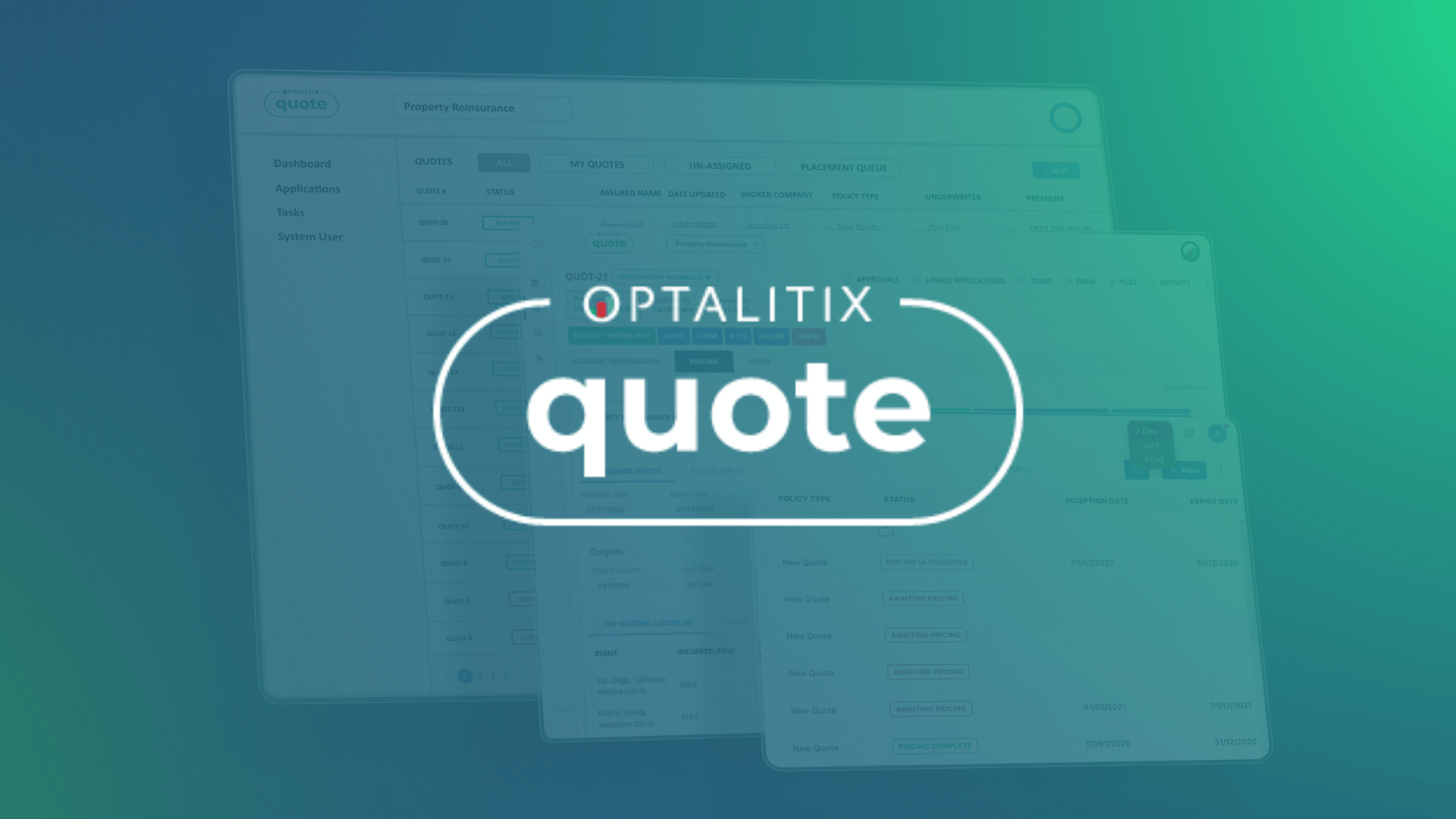
Optalitix Quote brings these capabilities together in a configurable underwriting workbench, combining pricing, workflow, governance and decisioning in one platform.
In our next blog, we will consider the impact of underwriting workflow on the implementation of the underwriting workbench.
Watch: From data to decisions
Choosing the right underwriting workbench is only part of the challenge. Successful implementation also depends on understanding how different platforms work, where common pitfalls arise and what insurers should consider when selecting a supplier.
In this InsTech webinar, Dani Katz of Optalitix joins Andy Moss of Send and John Bowers of AdvantageGo to discuss what differentiates underwriting workbenches, how to approach implementation and what to look for when evaluating potential suppliers.
Watch the webinar on demand: From data to decisions
More blogs

The Top 5 Strangest Uses of AI
Whilst AI has transformed many essential areas of society, some have also begun to use its technology for the weirder. Take a look at some odd uses of AI here.

How to Become a Data Scientist
Explore what it takes to become a data scientist, including the qualifications, technical skills, responsibilities and career opportunities involved.
.jpg)
AI Isn't the Goal. Better Underwriting Is.
Why insurers should stop measuring AI adoption and start focusing on how AI improves underwriting decisions, productivity and business performance.