

From virtual health care assistants to driverless taxis, artificial intelligence is transforming much of the way the world operates, making processes more productive, efficient and accessible. These days, it’s hard to find an industry that’s not been disrupted by AI, however, some have seen more impacts than others.
Below is a list with sectors that could potentially be seeing the biggest transformations thanks to AI technology:
- Automotive
- Data
- Healthcare
- Education
Whilst by no means the only industries to see considerable advancements due to AI, the impacts to be had on these major sectors could change much of the way the world operates for the better.
Automotive
The automotive industry has seen great advancements thanks to developments in AI technology used for autonomous vehicles.
AI systems have been integrated in self-driving cars to make them better understand their surroundings, and spot any potential dangers. This technology enables autonomous vehicles to operate safely on the road, and if used as a popular mode of transport, could even help to prevent deaths from traffic accidents caused by human error.
Whilst developments in AI technology have considerably boosted the potential of self-driving cars, there is still a way to go until they become a popular mode of transport. However, if and when developed enough to safely be incorporated into mainstream traffic, they could transform the automotive industry for good.
Data
Whilst many companies in this day and age have access to considerable amounts of online data, many struggle to unlock the true value it can offer. This is where AI comes in, which can now help to analyse large amounts of data and provide useful insights for a company based off of this data. (see data analytics for more information)
These insights can help a business in a multitude of different ways, empowering them with the knowledge to optimise their resources, better understand their customers, and thereby improve customers’ experience and relationship with the business.
All of this can help to improve efficiency, generate more sales and boost productivity.
Healthcare
AI is also being used throughout the healthcare sector, helping hospitals to improve their care and deliver this to more patients in less time. One example of this is through AI chat apps, in which patients can use prior to seeking face to face care.
The NHS has one of these apps, developed by Babylon Health, which is accessible 24/7 for people who are feeling unwell, providing users with useful information about any symptoms they are experiencing and advising them on what to do next.

The use of virtual medical assistants could drastically reduce the number of patients coming into healthcare facilities unnecessarily, whilst improving both the efficiency and the accessibility of healthcare for those who are unwell.
Education
Education has also seen interesting new developments in optimising people’s learning experiences, many of which are made possible through AI. For example, AI tools are now being developed to personalise learning, developing custom learning profiles for individual students and basing their teaching around their own abilities, as well as how they prefer to learn.
This could revolutionise the educational system altogether, making the learning process more personalised, more effective, and overall more efficient.

Optalitix Partners with H.W. Kaufman Group to Digitise and Scale London Market Underwriting
New API-driven platform enables Burns & Wilcox to integrate London Market capacity into a unified quoting workflow, accelerating speed, scale, and efficiency

Upcoming Events for April and May
In London, Barcelona and USA
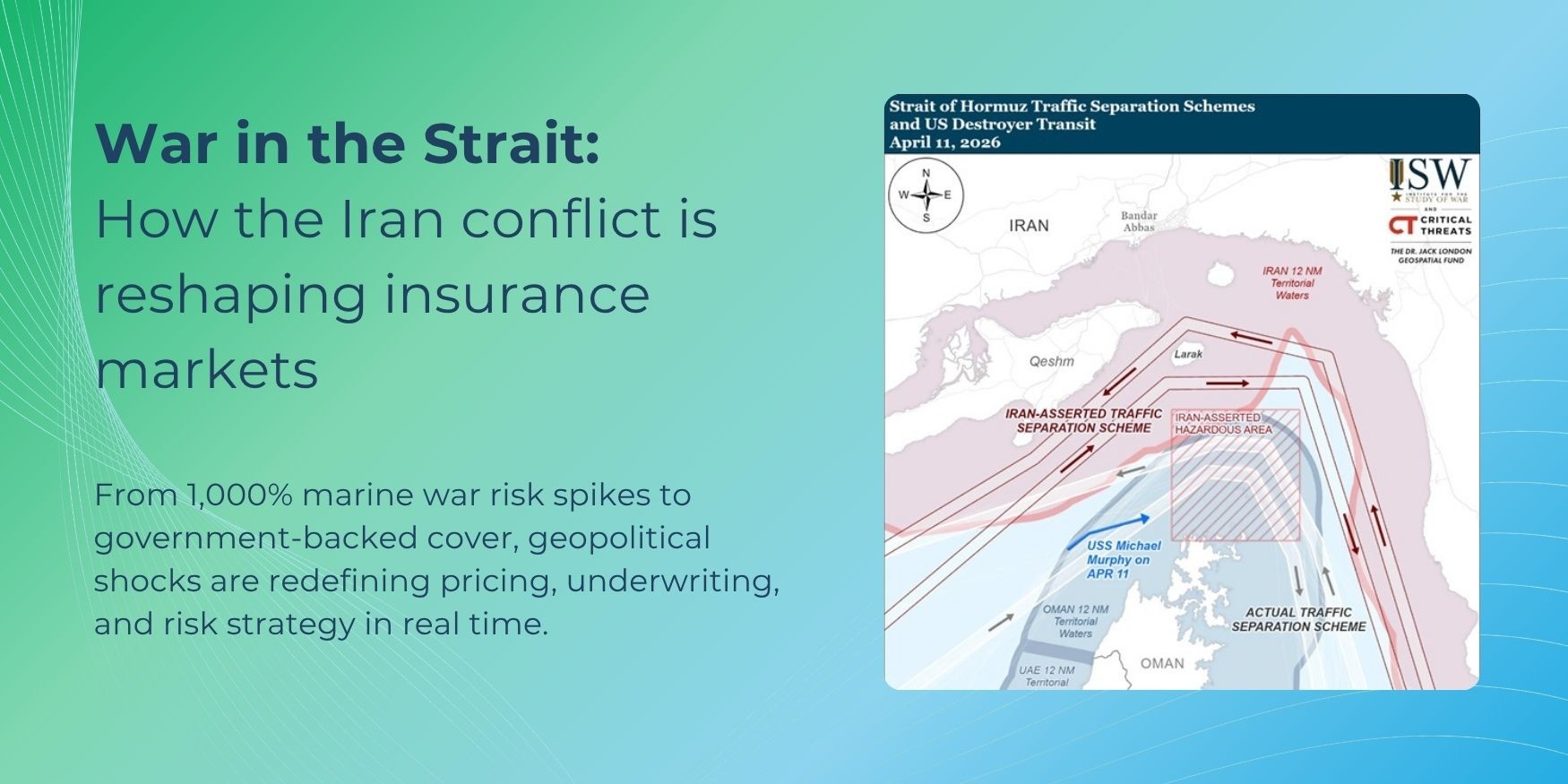
War in the Strait: How the Iran Conflict Is Reshaping Insurance Markets
From 1,000% marine war risk spikes to government-backed cover, geopolitical shocks are redefining pricing, underwriting, and risk strategy in real time.
What’s Going On? Reality check: AI and pricing in production
AI in insurance is no longer about potential, it’s about what’s already working

Embrace Change, Don’t Fear It
From the CTO's Desk: Agility Is a Strategic Imperative

Modern Pricing: The Competitive Edge Insurers Can No Longer Ignore
How advanced analytics and dynamic pricing are reshaping underwriting, profitability, and competitive positioning in insurance
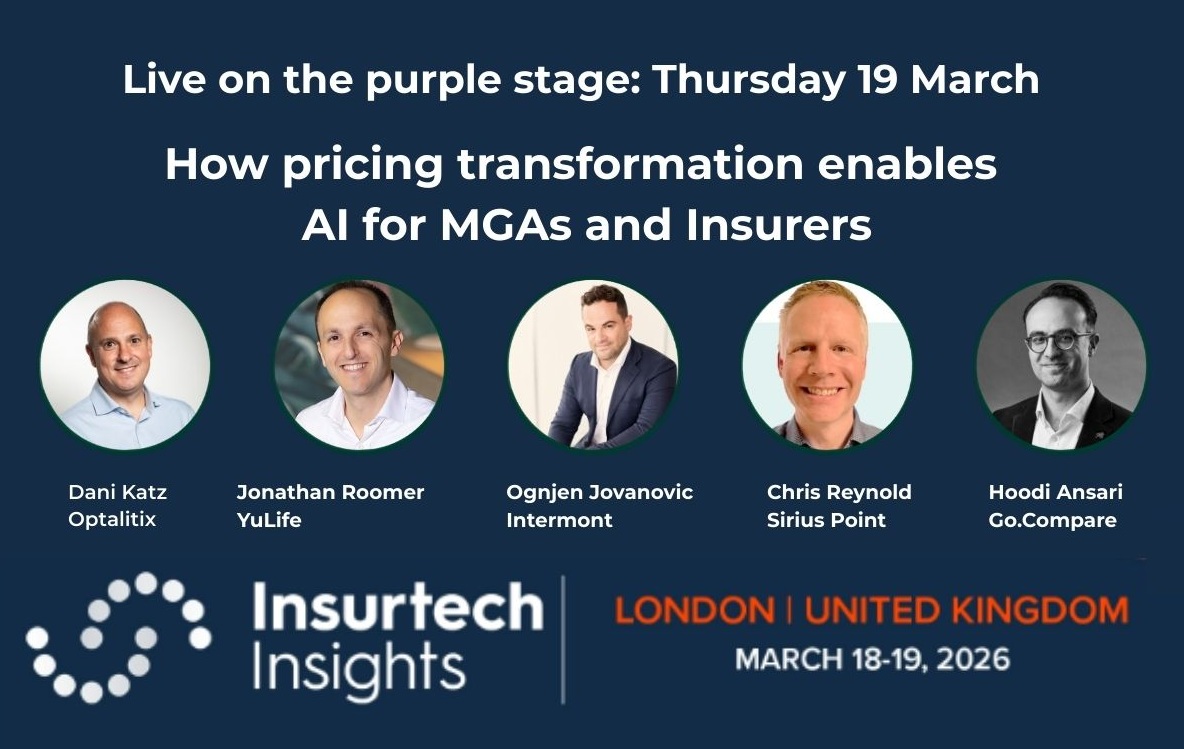
Explore Cutting-Edge Pricing and Underwriting Technology at ITI
Visit Optalitix at stand B23

Optalitix Partners with Intermont to Power Digital Underwriting in the Netherlands
Strategic partnership with Dutch MGA Intermont modernises pricing and underwriting operations and establishes a flagship Optalitix use case in the Dutch market.

Supply-demand fundamentals favour buyers during 1/1 renewals
With capital at record levels and demand lagging, cedents are pushing for meaningful pricing reductions and fewer exclusions; reinsurers are selectively flexible, but intent on protecting portfolio quality.
Reflecting on 2025: A Year of Growth, Innovation, and Industry Recognition at Optalitix
Celebrating Client Success, Key Milestones, and Looking Ahead to 2026
GIRO 2025: Key Takeaways
What’s changing in general insurance: AI, pricing sophistication, capital validation, reserving evolution, and climate risk

Significant market changes as reinsurers prepare for the renewal season
After 3 years of market hardening, moderating catastrophe losses and rising reinsurance capital are reshaping renewal dynamics heading into 2026

Data, Speed, and Insight: The Future of Reinsurance Risk Pricing
Harnessing modern analytics and cloud technology to transform actuarial decision-making and strengthen portfolio performance

Autumn Update 2025: Innovation, Renewal, and Market Momentum
Your guide to the latest renewal trends, pricing insights, and standout client success stories

Listening to the Market: Why Understanding Our Clients Is Our Greatest Innovation
The Power of Listening: Too often, technology companies build first and listen later