

In the future, workplaces could be fundamentally different from what we experience today, with technologies in Artificial Intelligence (AI) transforming the world of work for a multitude of different industries.
Whilst the future of the workplace may come with some fantastic adaptations, it could also come with a whole host of new challenges that workers will have to adjust to. Below is a list with some of the main areas of the workplace that AI could change in the coming years:
- Staff collaboration
- Remote working
- Employee hiring and retention
- Business insights
Staff Collaboration
Many believe that human-machine collaboration will become an integral part to future workplaces, increasing productivity and thereby the success of the company. This collaboration could help to speed up many of the processes throughout a business, however, this will only be the case if collaboration runs smoothly.
The future could see a focus in job requirements and desired skills for potential employees, including a know-how of certain AI technologies and how to operate them, as these could become an increasingly integral part to many different businesses.
Remote Working
AI could also help future workplaces to collaborate more with remote workers, improving accessibility so that employees can conduct their work in their homes as effectively as if they were in the office.
One example of this is that AI could also make telerobotics more common within the workplace. Remote workers of the future could be able to operate sophisticated technology from a distance (e.g. their homes), which could completely reshape the way future workspaces function.
What this also means is that employees with a technical and specialist role in the company can have more freedom in where they want to work. This may help to improve staff retention and attract new talent, often looking for this highly sought-after flexibility.

Hiring Employees
AI technology may also help to revolutionise hiring, enabling businesses to analyse large quantities of resumes and social profiles, sifting through to find a precise list of the potential candidates for certain roles.
As well as finding them, AI technologies can also automatically interact with potential candidates, meaning businesses can both find and attract the best talent out there for open positions quickly and effectively.
The future of workplaces could therefore see improved efficiency in the hiring process, both in the quality and compatibility of potential candidates to the job role as well as the time in which they were found.
Business Insights
Workspaces are already gaining great insights into their business through the help of AI; its technology being used to better understand customers, learning how to attract new ones whilst also retaining those that already exist.
Considering the level of this technology now, the future for business insights is looking very exciting, and could lead to an even deeper understanding about how to improve the productivity, and thereby success, of businesses everywhere.

Optalitix Partners with H.W. Kaufman Group to Digitise and Scale London Market Underwriting
New API-driven platform enables Burns & Wilcox to integrate London Market capacity into a unified quoting workflow, accelerating speed, scale, and efficiency

Upcoming Events for April and May
In London, Barcelona and USA
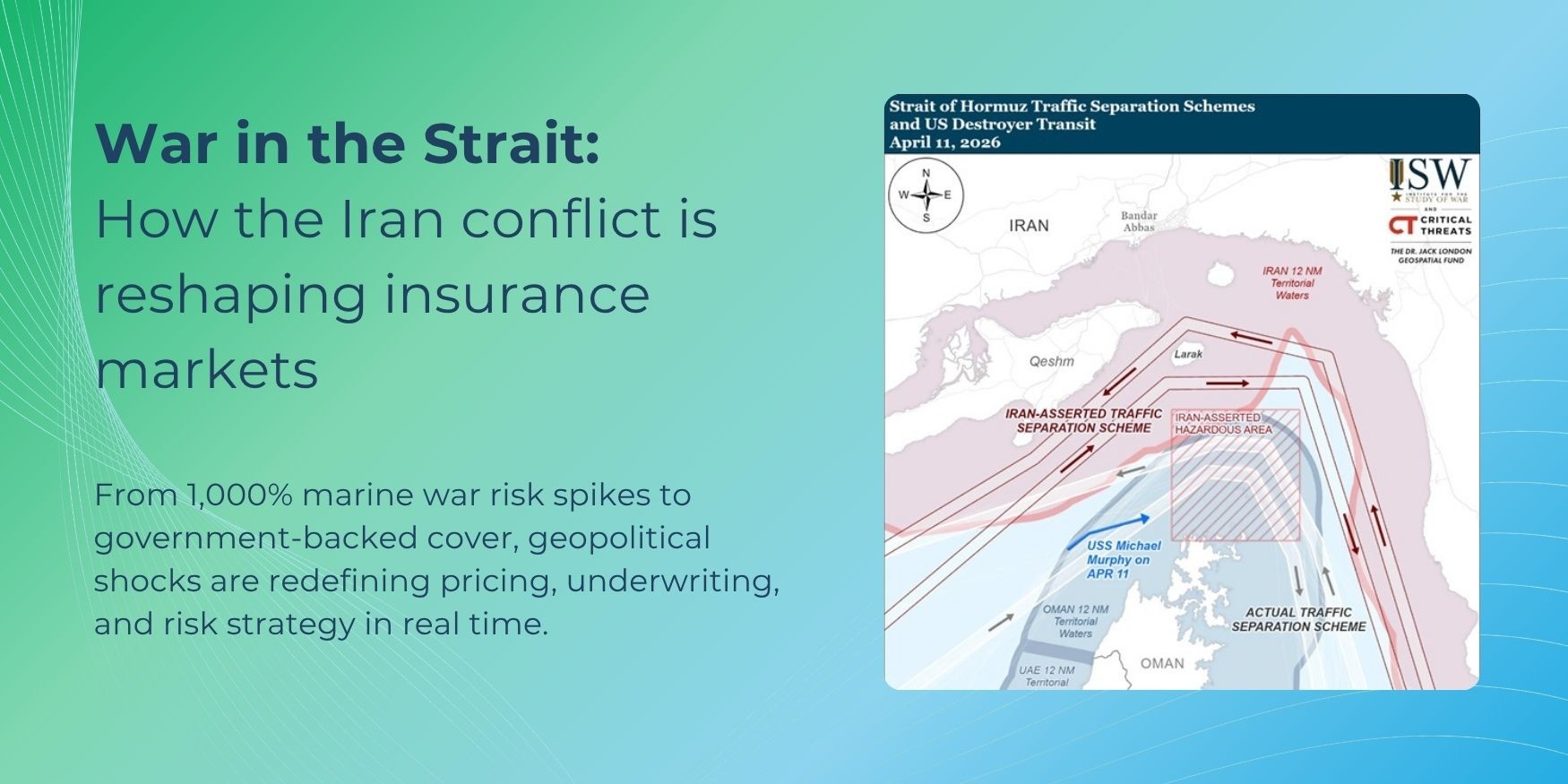
War in the Strait: How the Iran Conflict Is Reshaping Insurance Markets
From 1,000% marine war risk spikes to government-backed cover, geopolitical shocks are redefining pricing, underwriting, and risk strategy in real time.
What’s Going On? Reality check: AI and pricing in production
AI in insurance is no longer about potential, it’s about what’s already working
Embrace Change, Don’t Fear It
From the CTO's Desk: Agility Is a Strategic Imperative

Modern Pricing: The Competitive Edge Insurers Can No Longer Ignore
How advanced analytics and dynamic pricing are reshaping underwriting, profitability, and competitive positioning in insurance
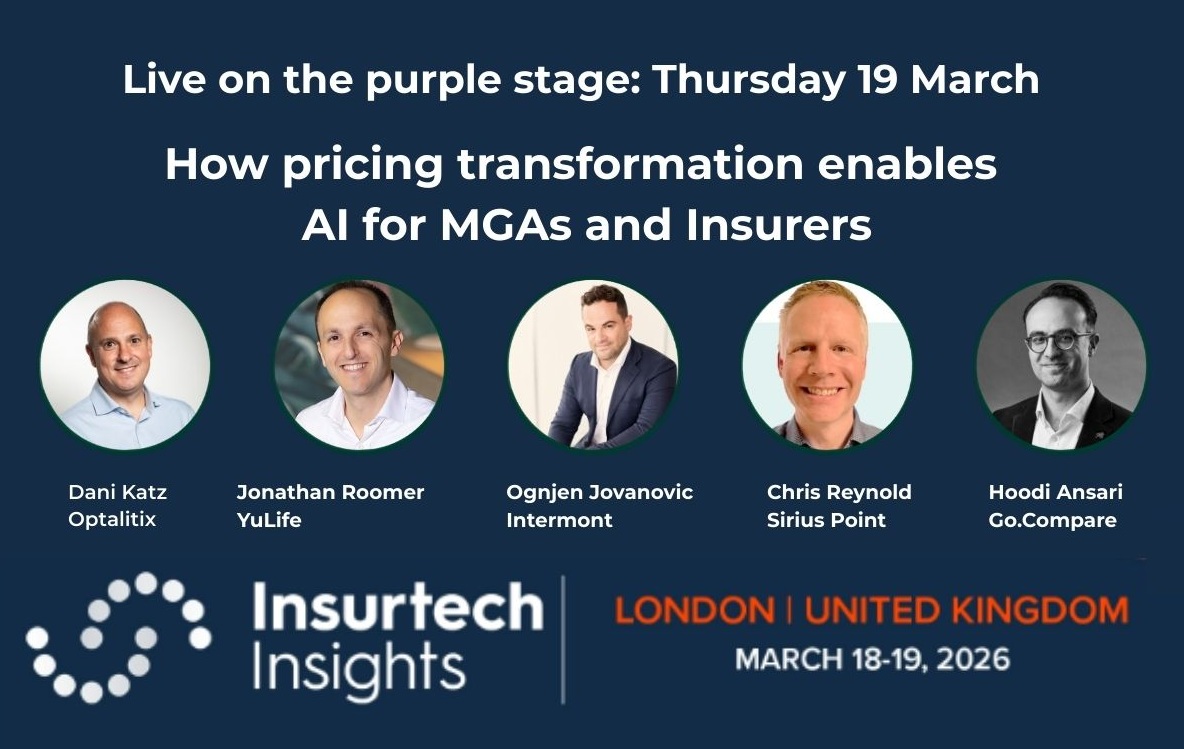
Explore Cutting-Edge Pricing and Underwriting Technology at ITI
Visit Optalitix at stand B23

Optalitix Partners with Intermont to Power Digital Underwriting in the Netherlands
Strategic partnership with Dutch MGA Intermont modernises pricing and underwriting operations and establishes a flagship Optalitix use case in the Dutch market.
Supply-demand fundamentals favour buyers during 1/1 renewals
With capital at record levels and demand lagging, cedents are pushing for meaningful pricing reductions and fewer exclusions; reinsurers are selectively flexible, but intent on protecting portfolio quality.
Reflecting on 2025: A Year of Growth, Innovation, and Industry Recognition at Optalitix
Celebrating Client Success, Key Milestones, and Looking Ahead to 2026
GIRO 2025: Key Takeaways
What’s changing in general insurance: AI, pricing sophistication, capital validation, reserving evolution, and climate risk
Significant market changes as reinsurers prepare for the renewal season
After 3 years of market hardening, moderating catastrophe losses and rising reinsurance capital are reshaping renewal dynamics heading into 2026
Data, Speed, and Insight: The Future of Reinsurance Risk Pricing
Harnessing modern analytics and cloud technology to transform actuarial decision-making and strengthen portfolio performance

Autumn Update 2025: Innovation, Renewal, and Market Momentum
Your guide to the latest renewal trends, pricing insights, and standout client success stories
Listening to the Market: Why Understanding Our Clients Is Our Greatest Innovation
The Power of Listening: Too often, technology companies build first and listen later