

Listening to the government’s health and science advisors on television this week, has been somewhat frightening. The world does not have the answer to its biggest problem, in fact our smartest minds are at a bit of a loss. There is no settled science that can accurately predict an outcome, there is no experience to draw on and no sign of a solution.
What we have heard a lot of this last few weeks, is modelling, curves and the power of models to efficiently determine an outcome or at the very least predict an outcome. Acknowledging the fact that the greatest human minds are doing their very best to address the pending scale of this crises without much success is it any surprise that AI or non - human solutions are being used to model potential outcomes and solutions.
In the actuarial world under the circumstances a data scientist will look to create a model that will help plan a route forward, how would they do this?What is going on? Have we seen anything like this before? Has something similar previously been experienced we can learn from? These would be the initial thoughts of anyone wishing to create a model. Replicating a similar scenario would be the starting point of anyone wishing to begin a modelling exercise.
We know we have a disease that is spreading by contact, have we seen something that may not be exactly the same but similar such as perhaps HIV that could be used to begin the modelling process.
- Without actuals we need to start setting the assumptions
One of the assumptions might be, the Rate of transmission, scientists would call this the R rate, or number of potential cases or people that could get infected. This R rate is one of the most if not most complex variables impacting on the modelling especially over longer periods.
- Looking backwards to look forwards
What limited information is available about the spread of the disease is used to predict the most accurate possible outcomes.
- Giving the model a second look!
With the technical elements of any model construction undertaken and with the luxury of live data now being available scientists can check whether the curve is tracking as predicted and whether or not there is a need for agility and flexibility. It is at this period where analysts can adjust for different interventions which may be required or undertaken.
- Is it right to be wrong?
Remembering we are in unknown territory and being aware that the current experience is unique we need to factor in uncertainty and the possibility of error. Working with limited data to predict a larger panacea will require wriggle room, sometimes considerable wriggle room!
- Staying positive and flexibly optimistic
As a society it is important to look for areas of optimism as this will fuel energy and enthusiasm in the model and ensure that scientists look to similar scenarios for adaption and agility. Understanding that lock downs, social distance, research, vaccines and the growing volume of knowledge from around the world will allow for positive alteration of the model and ultimately squash that curve.
Through all of this what strikes the author most is the sheer degree of dependency the UK has had on non-medical knowledge. We went from a society obsessed with Brexit and being experts on the back stop to being actuarily accomplished and understanding how to flatten the curve or squash the sombrero. We got to experience first-hand how important it is to adapt to a constantly changing environment that will pump fresh information into the model. Of even greater value to predictive science is our appetite to accept that the model will govern our behavior, and any changes that may be required in said behavior.
What the author is not saying is that medical scientists should be discounted, on the contrary it is the data and expertise generated by these experts that will feed the model, it is their experience and dedication on the front line that will prove the model but it is actuaries and data scientists who will build, monitor and adjust the model.
Alistair King
Optalitix brings enhancements to underwriters to boost underwriting performance and growth
The introduction of Optalitix Quote’s new Flow technology enables flexible underwriting workflows thanks to the new Risk Vision dashboards. Learn more now.
Optalitix partners with Quantee to offer next generation underwriting and pricing
To offer insurers a ready-to-use pricing product that enables quick access to price retail customers online and via aggregators
Why are Insurers playing a guessing game?
Numerous insurers overlook advanced solutions. Make sure your company leverages valuable insights from its data to enhance user experience with Optalitix today!

How Can AI Enhance Cybersecurity in Business?
Artificial intelligence (AI) is a machine’s ability to perform human-like cognitive functions. Find out how AI is able to enhance cybersecurity in business here.
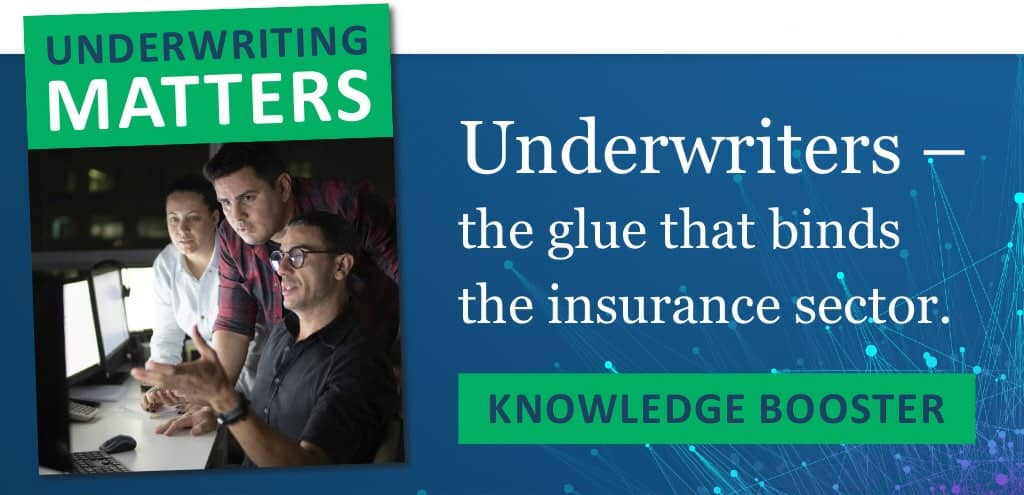
Underwriters – valued professionals acting as risk gatekeepers
What does an underwriter do on a daily basis? Discover the role underwriters play, how technology plays a key part in the underwriting process and more here.

Seasons Greetings from Optalitix
As the year draws to a close, we wanted to express our heartfelt gratitude for your continued support and collaboration.

Optalitix shortlisted for two awards
In the National Insurance Awards 2023 which showcases excellence in general insurance provision and management.

Case study: Modernising and scaling Dale Underwriting Partners' underwriting process with Optalitix Quote
Optalitix Quote allows underwriters to keep their existing models and make changes and updates when required by providing speed and flexibility.

How our catastrophe reporting portal helped Lloyd's of London collect more accurate data and save 1000's of hours
"The time that has been saved has given us much more freedom” Carey Bond, Head of Claims for the Americas at Lloyd’s
8 ways that data can power your business
Using your data better can help business managers see more, know more and do more. Take a look at beneficial data uses that businesses can adopt in this guide.
2023: A year of insurance disruption
The fluctuations in insurance news for 2023 are unexpected. Some companies are leaving following big losses, while others expect to see profits.

Hampden Risk Partners implements Optalitix Quote as their underwriting workbench
Hampden Risk Partners used Optalitix Quote to grow their capacity at Lloyd's

Optalitix nominated as a finalist in the 2023 Insurance Times awards
Innovation award for Lloyd's reporting portal
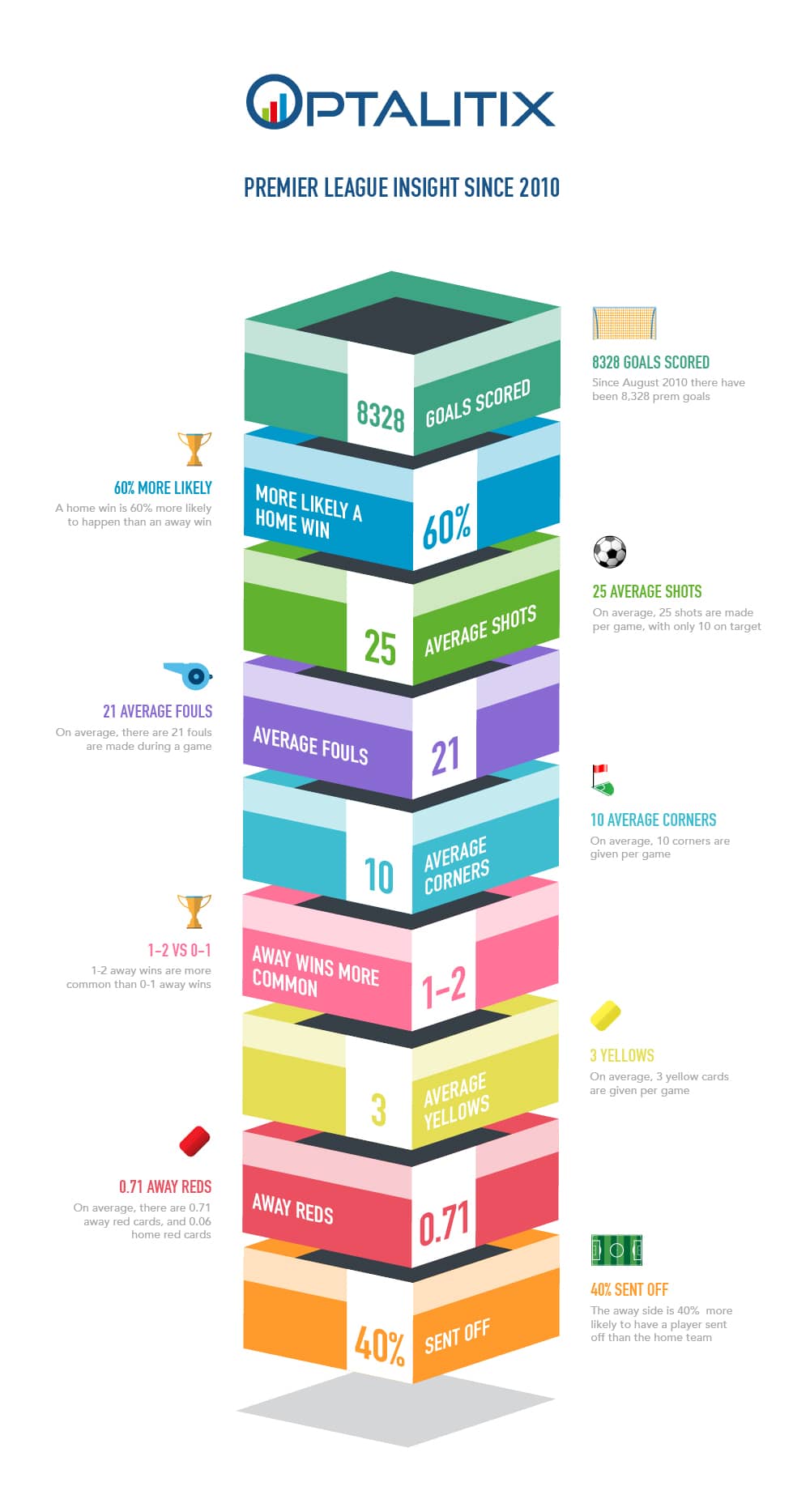
The computable game - Part 1
Football stats and insights

Why are Insurers playing a guessing game?
Numerous insurers overlook advanced solutions. Ensure your company leverages valuable insights from its data to enhance the user experience with Optalitix!