

It’s recently been reported that Google are using machine learning and AI software to better detect breaking news. Through utilising such technologies, the tech giant has claimed it can identify pressing news around the topic of crises – e.g. natural disasters – faster than it ever has before.
This news come from Google’s vice president of search Pandu Nayak, revealing that through such systems, Google is able to detect breaking news in a matter of minutes – an impressive advancement from its detection of the same type of content just a few years ago, in which it would take 40 minutes.
Having a faster detection of breaking news will most likely be essential as incidents of natural disasters present themselves across the world – and of which can change course considerably quickly. Faster detection of accurate breaking news can help to keep people up to date on the latest from emerging crises.
[caption id="attachment_637" align="aligncenter" width="700"]
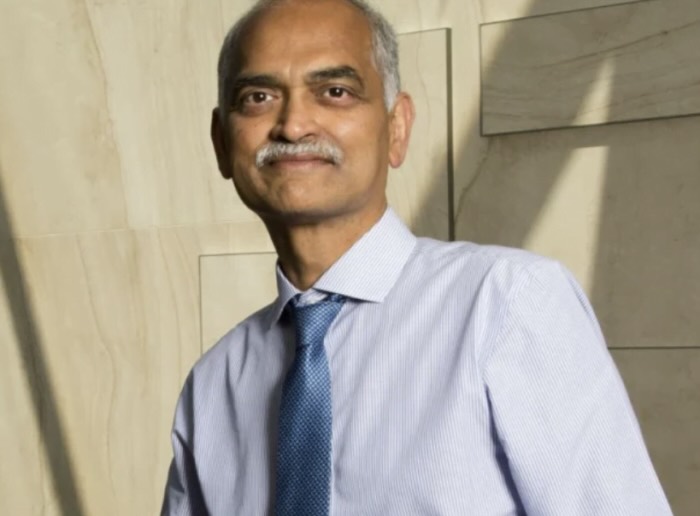
Google Vice President, Pandu Nayak[/caption]
Nayak states: “Over the past few years, we’ve improved our systems to … ensure we’re returning the most authoritative information available,”
“As news is developing, the freshest information published to the web isn’t always the most accurate or trustworthy, and people’s need for information can accelerate faster than facts can materialise.”
In a related vein, Google has also announced updates in their attempts to tackle the spread of misinformation. The tech giant have recently launched an update with the help of BERT-based language understanding models, improving how they match news stories with the fact checks available.
As claimed by Nayak, their systems have improved, and now understand better whether fact check claims are related to a new piece’s topic.
“Our improvements in detecting crisis events expands on our work in 2017 to improve the quality of results for topics that might be susceptible to hateful, offensive and misleading information.”
“Those improvements remain fundamental to how we handle low-quality information in Search and News products, and since then, we’ve continuously updated our systems to be able to detect topic areas that may be at risk for misinformation. We’re continuing to train and test out systems to ensure that whatever people are searching for, they can find reliable information.”
This news from Google comes at an apt time, with the U.S. 2020 election nearing alongside such recent natural disasters as the Oregon and California wildfires – all amidst an everchanging backdrop of COVID-related updates regarding rules, regulations and infection rates. Fast and accurate information surrounding crucial, often quick-changing updates is arguably needed now more than ever.

Optalitix Partners with H.W. Kaufman Group to Digitise and Scale London Market Underwriting
New API-driven platform enables Burns & Wilcox to integrate London Market capacity into a unified quoting workflow, accelerating speed, scale, and efficiency

Upcoming Events for April and May
In London, Barcelona and USA
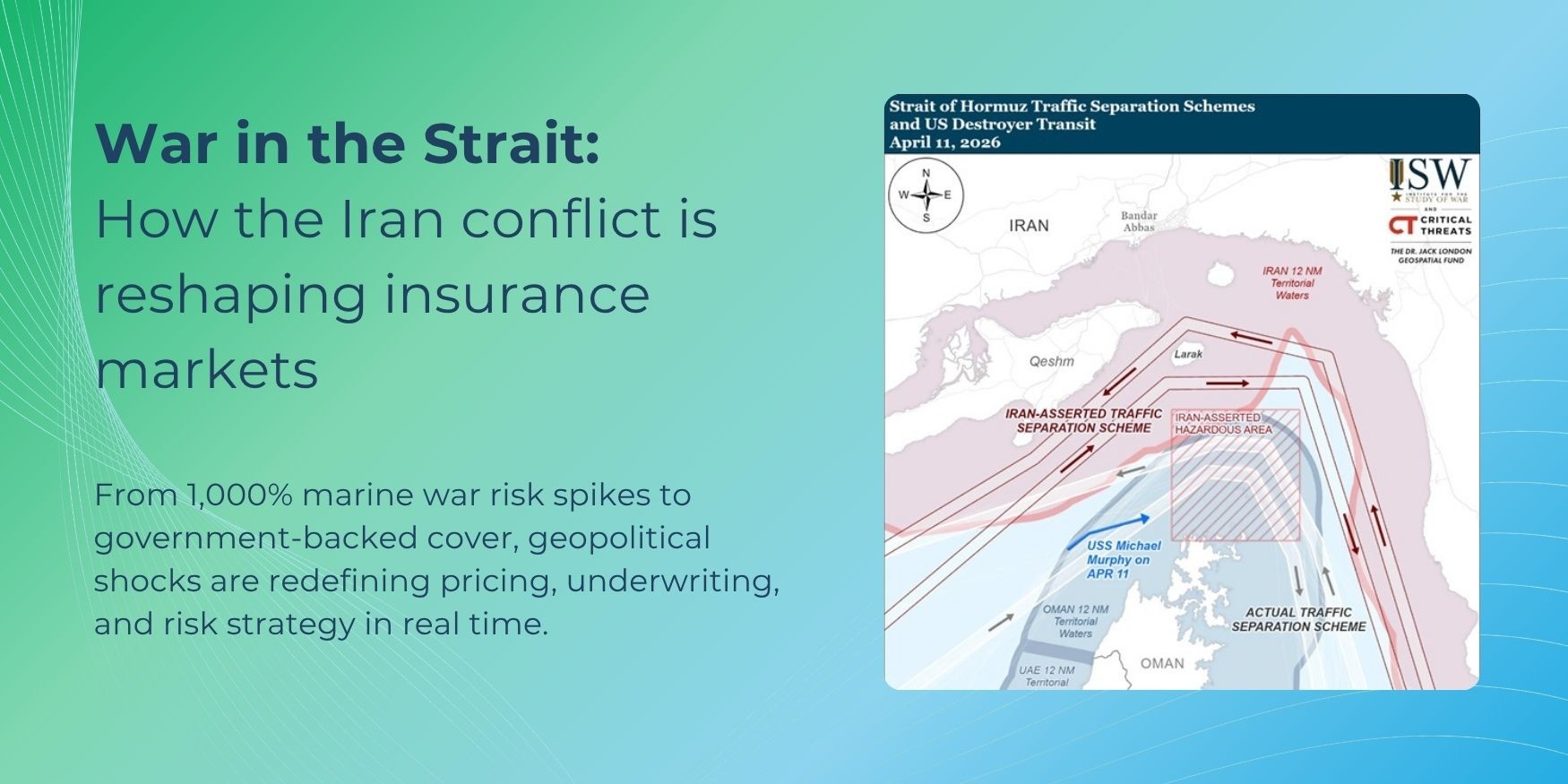
War in the Strait: How the Iran Conflict Is Reshaping Insurance Markets
From 1,000% marine war risk spikes to government-backed cover, geopolitical shocks are redefining pricing, underwriting, and risk strategy in real time.

What’s Going On? Reality check: AI and pricing in production
AI in insurance is no longer about potential, it’s about what’s already working
Embrace Change, Don’t Fear It
From the CTO's Desk: Agility Is a Strategic Imperative
Modern Pricing: The Competitive Edge Insurers Can No Longer Ignore
How advanced analytics and dynamic pricing are reshaping underwriting, profitability, and competitive positioning in insurance
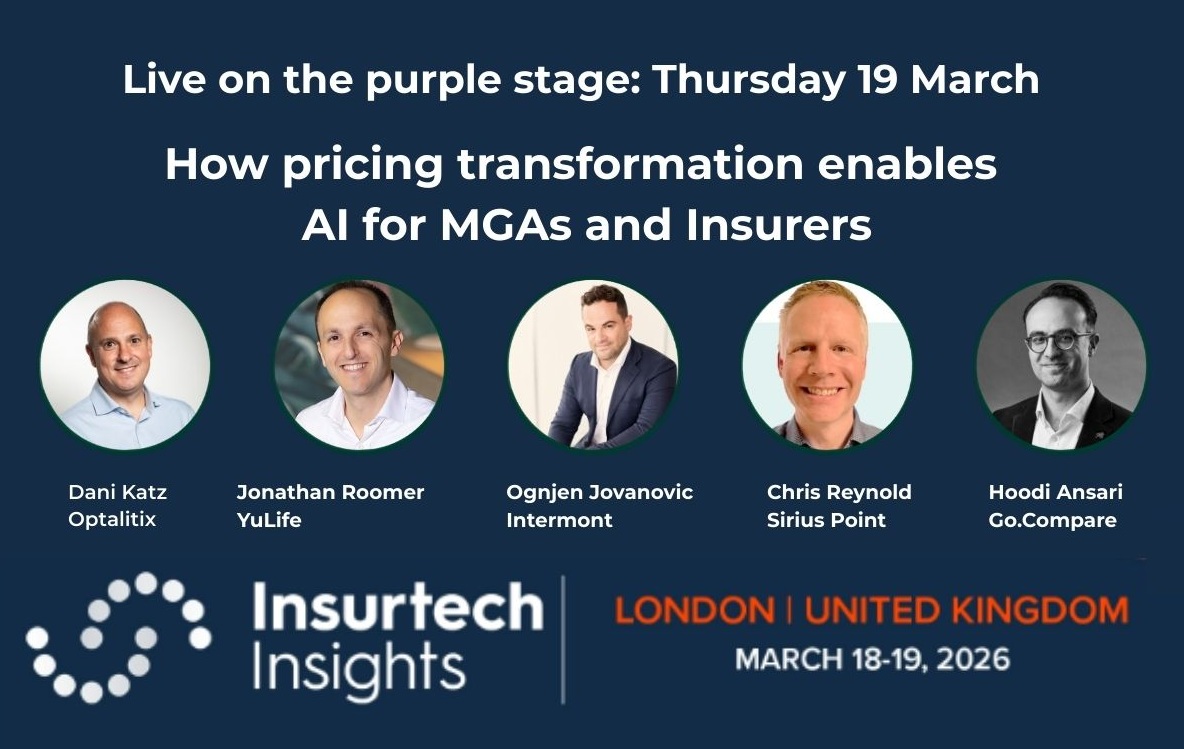
Explore Cutting-Edge Pricing and Underwriting Technology at ITI
Visit Optalitix at stand B23

Optalitix Partners with Intermont to Power Digital Underwriting in the Netherlands
Strategic partnership with Dutch MGA Intermont modernises pricing and underwriting operations and establishes a flagship Optalitix use case in the Dutch market.
Supply-demand fundamentals favour buyers during 1/1 renewals
With capital at record levels and demand lagging, cedents are pushing for meaningful pricing reductions and fewer exclusions; reinsurers are selectively flexible, but intent on protecting portfolio quality.

Reflecting on 2025: A Year of Growth, Innovation, and Industry Recognition at Optalitix
Celebrating Client Success, Key Milestones, and Looking Ahead to 2026
GIRO 2025: Key Takeaways
What’s changing in general insurance: AI, pricing sophistication, capital validation, reserving evolution, and climate risk
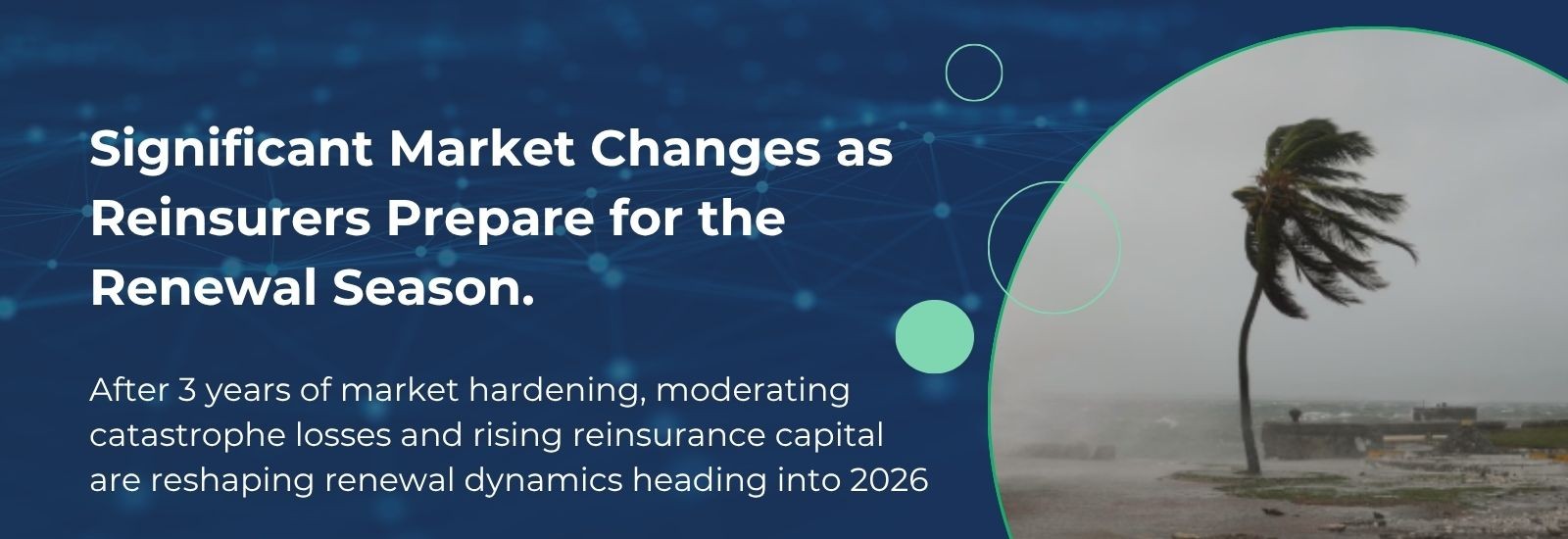
Significant market changes as reinsurers prepare for the renewal season
After 3 years of market hardening, moderating catastrophe losses and rising reinsurance capital are reshaping renewal dynamics heading into 2026
Data, Speed, and Insight: The Future of Reinsurance Risk Pricing
Harnessing modern analytics and cloud technology to transform actuarial decision-making and strengthen portfolio performance

Autumn Update 2025: Innovation, Renewal, and Market Momentum
Your guide to the latest renewal trends, pricing insights, and standout client success stories
Listening to the Market: Why Understanding Our Clients Is Our Greatest Innovation
The Power of Listening: Too often, technology companies build first and listen later