


The FCA has changed the game for more established players in the insurance sector with its significant gear change in pricing for insurance business. The gap between new business and renewal pricing under the new guidelines will need to be brought in line, which is causing market disruption as many insurers have complex pricing methodologies in place that discounts the initial sale. In our analysis of industry data, there are examples of insurers not only losing their dominant position (reducing their previously high number of pricing ranks), but also reducing their market share for key risk groups. The immediate impact of this new legislation is perhaps most measurable in the form of market share. A telling shift in who is winning business and who is being competitive can largely be attributed to the new pricing requirement. Some of the larger insurers with more complex methodologies are losing share because of price differences that are no longer competitive. The removal of cross subsidies between new business and renewals negatively influence their new policy pricing, and coupled with a new pricing strategy in line with the changing regulatory environment has proven bad for business. Smaller, more agile insurers have been able to adjust to this new pricing change with less turmoil and greater speed and have accommodated the new pricing regulations with greater ease, empowered by their ability to retain stable pricing and increase market share, simply because there is now more business at their price point.
The longer-term impact of this new regulation is constantly evolving, and over the next 12 months it will be paramount that insurers keep a close eye on what could be a continual set of interesting changes. Insurers that have lost share will now need to take a deeper dive into addressing the imbalance at a time when business volume will be less certain. Smaller and medium-sized insurers will need to adapt to the larger volumes of business they are acquiring. This increased volume will put unplanned operational pressures on the business infrastructure and considerations will be needed to provision systems and operational capacity. Insurers will also be having to deal with the impact of the pandemic on consumer behavior, fewer people traveling to work, more people working from home and a general lifestyle re-assessment that will no doubt spill into insurance pricing.
There are bound to be more stable areas across certain risk categories and segments, with the more price-sensitive groups experiencing the biggest changes. However, it is likely we will see greater stability amongst more niche sectors where there has always been less of a competitive environment. It is one thing being able to identify and accept that change is happening, but something else to plan and adapt to it in such a way that business is not disrupted. Processes and systems should not be negatively impacted, and most importantly profitability must be sustained in the short term and increased in the future. The question now facing the industry is how is this achieved?
We hope you stay tuned to this series of articles where we will be providing more detailed insights into shifts in the market based pricing based on our analyses of market data. In our next article we will look at the segments with greater pricing stability in the market and how the people’s travel habits change in combination with insurers’ re-pricing reaction to the FCA regulations. Thereafter, we’ll be explaining how we are helping insurers in the market react and capitalise on these rapid fluctuations.

Optalitix Partners with H.W. Kaufman Group to Digitise and Scale London Market Underwriting
New API-driven platform enables Burns & Wilcox to integrate London Market capacity into a unified quoting workflow, accelerating speed, scale, and efficiency

Upcoming Events for April and May
In London, Barcelona and USA
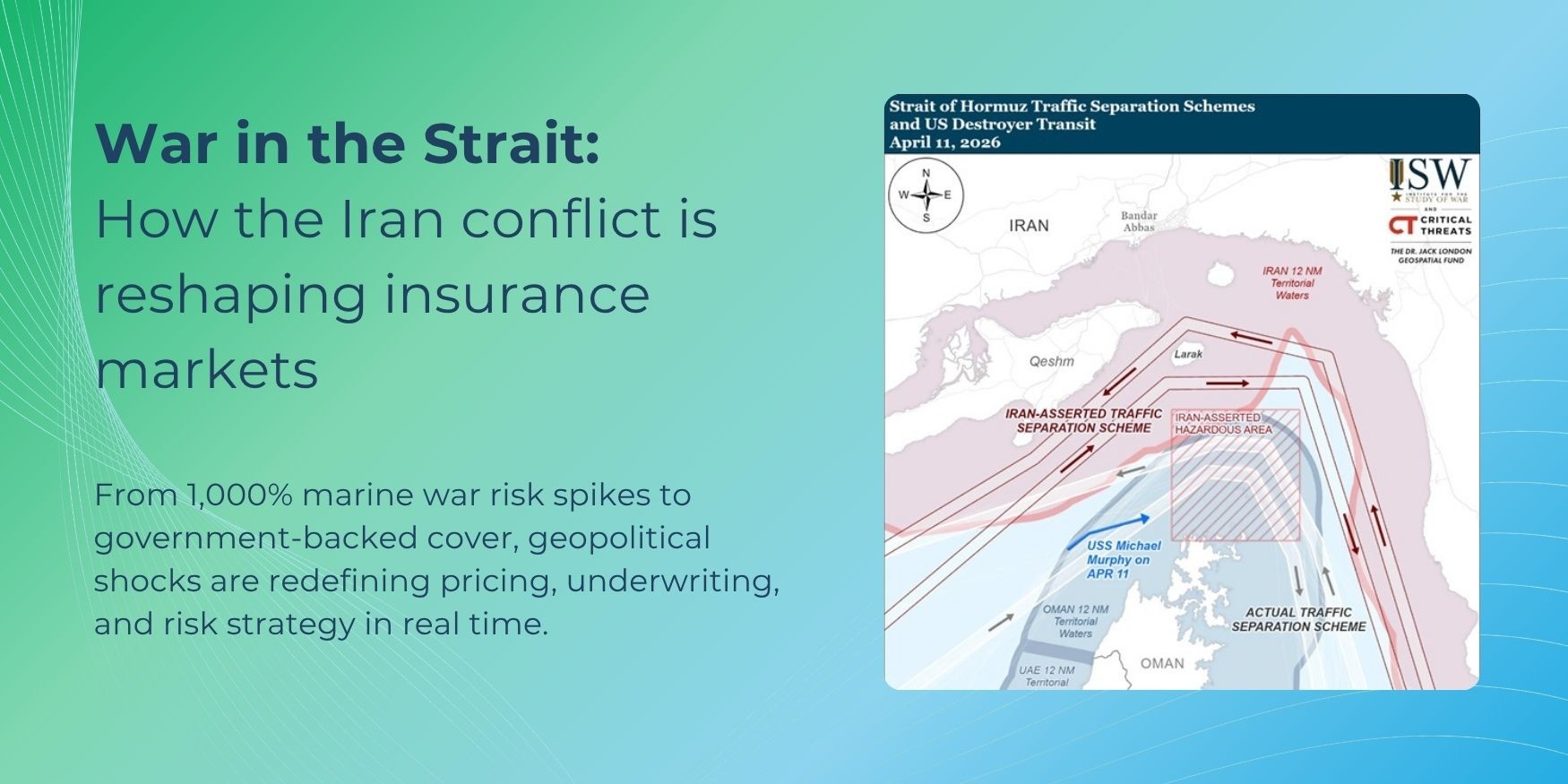
War in the Strait: How the Iran Conflict Is Reshaping Insurance Markets
From 1,000% marine war risk spikes to government-backed cover, geopolitical shocks are redefining pricing, underwriting, and risk strategy in real time.

What’s Going On? Reality check: AI and pricing in production
AI in insurance is no longer about potential, it’s about what’s already working

Embrace Change, Don’t Fear It
From the CTO's Desk: Agility Is a Strategic Imperative

Modern Pricing: The Competitive Edge Insurers Can No Longer Ignore
How advanced analytics and dynamic pricing are reshaping underwriting, profitability, and competitive positioning in insurance

Explore Cutting-Edge Pricing and Underwriting Technology at ITI
Visit Optalitix at stand B23

Optalitix Partners with Intermont to Power Digital Underwriting in the Netherlands
Strategic partnership with Dutch MGA Intermont modernises pricing and underwriting operations and establishes a flagship Optalitix use case in the Dutch market.

Supply-demand fundamentals favour buyers during 1/1 renewals
With capital at record levels and demand lagging, cedents are pushing for meaningful pricing reductions and fewer exclusions; reinsurers are selectively flexible, but intent on protecting portfolio quality.

Reflecting on 2025: A Year of Growth, Innovation, and Industry Recognition at Optalitix
Celebrating Client Success, Key Milestones, and Looking Ahead to 2026

GIRO 2025: Key Takeaways
What’s changing in general insurance: AI, pricing sophistication, capital validation, reserving evolution, and climate risk

Significant market changes as reinsurers prepare for the renewal season
After 3 years of market hardening, moderating catastrophe losses and rising reinsurance capital are reshaping renewal dynamics heading into 2026

Data, Speed, and Insight: The Future of Reinsurance Risk Pricing
Harnessing modern analytics and cloud technology to transform actuarial decision-making and strengthen portfolio performance

Autumn Update 2025: Innovation, Renewal, and Market Momentum
Your guide to the latest renewal trends, pricing insights, and standout client success stories

Listening to the Market: Why Understanding Our Clients Is Our Greatest Innovation
The Power of Listening: Too often, technology companies build first and listen later