

Artificial Intelligence is changing the competitive landscape for insurers. Insurers that don’t engage with AI and the value it adds in key areas like user experience, price modelling or claims management will find themselves playing catch up in an ever more competitive environment driven by tech innovation. AI in insurance delivers a competitive edge in a number of areas. Insurers that are not yet clear about what AI is and its benefits should consider the following:
- What is AI?
- The benefits of using AI
- What does AI success look like
- The core components needed to make AI work
What is AI?
AI is defined as a computer system that performs tasks normally requiring human intelligence. This covers a broad range of possible tasks, and includes specialised pricing, sales and retention insights, marketing intelligence, and pretty much everything in between.AI is just a calculation of a model that has been trained to make a prediction. The techniques used to train the model range from manually (i.e. human) built models, to computer generated models where the system adaptthe model to changing environmental circumstances (this is “machine learning”). AI is becoming more prominent now as data becomes more widely available in every customer interaction, and the application of the predictions becomes easier.
The benefits of using AI
Big Tech companies like Google and Amazon are masters of AI. These companies have built their business by using AI to optimise the customer experience at every touch-point, and their company valuations indicate that it is working. Simplified user journeys, bespoke tailored quotes, speed of response, intelligent personalised information fed back in a coherent and manageable manner allow for empowered decision making and information sharing.AI is not just for Big Tech. There are lots of analyses that proves the positive impact AI will have on business and the economy, both now and in the future., A Deloitte’s survey indicates that 82% of companies investing in AI get a return, and 88% plan to increase their spending in the next year. More and more companies are realising the need for AI to stay competitive in a changing world, the benefits of which play out in improved customer outcomes and increased market share.
Considerations
In insurance, predictive models in pricing have been around for many years. These are sophisticated and mature models. Predictive modelling, is in actual fact an early form of AI, and has been used in actuarial pricing for many years, but is now more comprehensively integrated throughout the entire insurance eco system.Insurers are starting to use AI outside of pricing to improve and personalise the customer experience. There are a number of AI considerations in insurance that we have seen significantly boost experience:Case consideration 1: If an Insurer uses AI to improve sales predictions. This allows their call centre to focus activity on the best performing lead, reducing sales cost and boosting sales volume by potentially 50 to 100% with almost no change in spend.Case consideration 2: AI in claims – If an insurer uses AI models to improve their understanding of the motor insurance claims process, cost is reduced by optimising the price offered when negotiating claim settlements. Claim costs could be reduced by 10% to 20%.Case consideration 3: AI in retention – when a policy comes up for renewal, a special offer could be made to customers with a higher lapse likelihood, reducing the number of lapses as well as the cost of retention activity. This would also improve the experience for clients and reduce overall retention activity costs.Insurers can benefit from AI and develop a competitive advantage by adding AI insights across the entire business in many different business areas.
Core component considerations needed for AI
Implementing AI requires collaboration between the systems team and the data scientists / actuaries. This can be a daunting hurdle often serving as an obstacle to AI implementation.
- AI models first need to be built using data from the current operational experience. This means we need data and data scientist / actuaries to build the models.
- AI requires powerful computer servers, often faster than those used for pricing. For example, the response time for a personalised web page should be below 200 milliseconds – this requires rapid AI calculations to achieve, while pricing results can sometime take a few seconds to respond. Cloud systems allow companies to achieve this response at scale.
- APIs are needed to ensure the systems can communicate with each other. Rapid model conversion into an API is critical as AI models go through multiple iterations before the final model is accurate.
- Developers are needed to link the systems together using the APIs.
- All of this needs to be monitored, so a dashboard is needed.
These components for AI are now widely available and companies like Optalitix specialise in this kind of implementation and delivery on a regular basis.No more excuses for not engaging in AI for business purposes.Dani Katz – Director and Founder Optalitix
Optalitix brings enhancements to underwriters to boost underwriting performance and growth
The introduction of Optalitix Quote’s new Flow technology enables flexible underwriting workflows thanks to the new Risk Vision dashboards. Learn more now.
Optalitix partners with Quantee to offer next generation underwriting and pricing
To offer insurers a ready-to-use pricing product that enables quick access to price retail customers online and via aggregators

Why are Insurers playing a guessing game?
Numerous insurers overlook advanced solutions. Make sure your company leverages valuable insights from its data to enhance user experience with Optalitix today!

How Can AI Enhance Cybersecurity in Business?
Artificial intelligence (AI) is a machine’s ability to perform human-like cognitive functions. Find out how AI is able to enhance cybersecurity in business here.

Underwriters – valued professionals acting as risk gatekeepers
What does an underwriter do on a daily basis? Discover the role underwriters play, how technology plays a key part in the underwriting process and more here.

Seasons Greetings from Optalitix
As the year draws to a close, we wanted to express our heartfelt gratitude for your continued support and collaboration.

Optalitix shortlisted for two awards
In the National Insurance Awards 2023 which showcases excellence in general insurance provision and management.

Case study: Modernising and scaling Dale Underwriting Partners' underwriting process with Optalitix Quote
Optalitix Quote allows underwriters to keep their existing models and make changes and updates when required by providing speed and flexibility.

How our catastrophe reporting portal helped Lloyd's of London collect more accurate data and save 1000's of hours
"The time that has been saved has given us much more freedom” Carey Bond, Head of Claims for the Americas at Lloyd’s
8 ways that data can power your business
Using your data better can help business managers see more, know more and do more. Take a look at beneficial data uses that businesses can adopt in this guide.
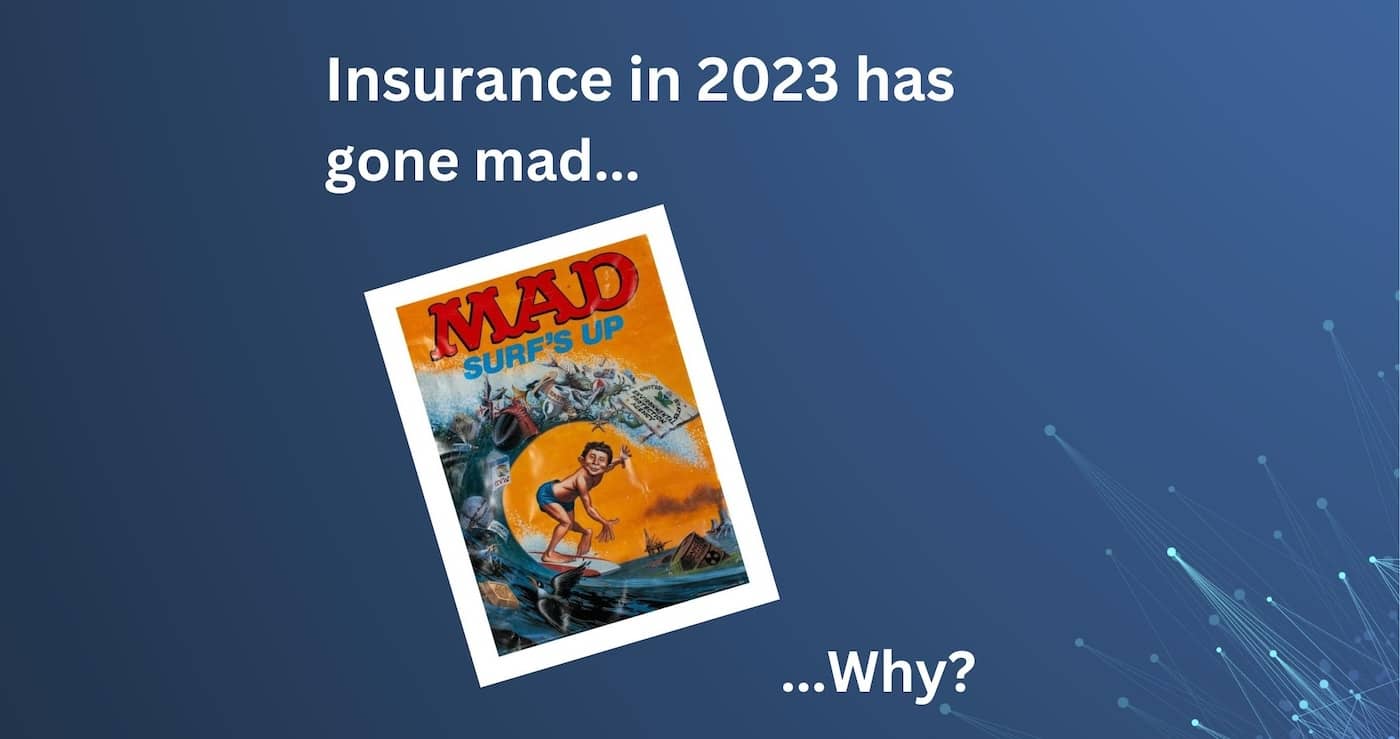
2023: A year of insurance disruption
The fluctuations in insurance news for 2023 are unexpected. Some companies are leaving following big losses, while others expect to see profits.

Hampden Risk Partners implements Optalitix Quote as their underwriting workbench
Hampden Risk Partners used Optalitix Quote to grow their capacity at Lloyd's

Optalitix nominated as a finalist in the 2023 Insurance Times awards
Innovation award for Lloyd's reporting portal
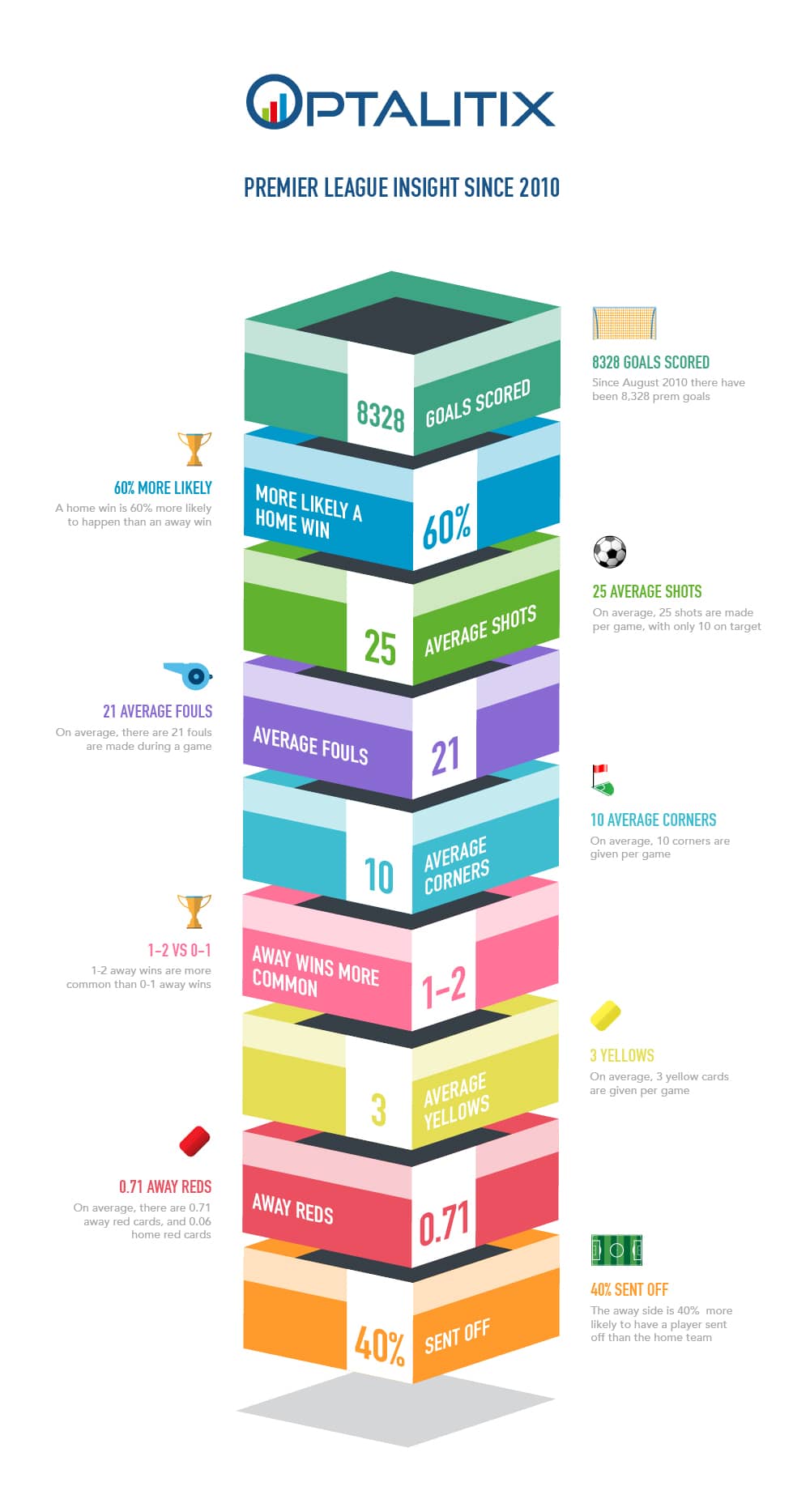
The computable game - Part 1
Football stats and insights

Why are Insurers playing a guessing game?
Numerous insurers overlook advanced solutions. Ensure your company leverages valuable insights from its data to enhance the user experience with Optalitix!