

Yes, in certain types of occupations, machine learning technology has already started to replace humans. It is believed that as more investment goes into machine learning (and more organizations and companies implement this tech) that machine learning will take over even more roles usually taken on by humans.
However, it is worth remembering that whilst machine learning will end up replacing humans with some kinds of work, it will equally create as many job opportunities too and even enable people to do their job better than before.
What is machine learning?
Machine learning involves automated algorithms that find patterns in colossal amounts of information and makes links with this data that a human could not. Machine learning solves problems, not a human. The human defines the problem for the machine learning model to fix.
Machine learning is increasingly being used for complex solutions, as humans are only needed to define the problem for the computer, and then it analyses and finds the solution itself.
Machine learning in the workplace
In a study carried out by Oxford University, Yale University and AI Impacts that involved talking to 352 machine learning experts about their predictions for AI (which machine learning is an offshoot of) in the workplace, some interesting results materialised.
The experts who participated in the survey predicted when they believe the crossover point is likely to be when machine learning technology will end up performing better than humans can. They believed that machines will:
- Be better at translating languages by 2024
- Outperform humans writing essays by 2026
- Be able to drive lorries by 2027
- Outperform in retail by 2031
- Outperform as a surgeon by 2053
The study even possibly suggests that there is a 50% chance AI and its related technology will perform better than humans in 45 years time!
Jobs susceptible to machine learning - or are they?
Researchers at PWC suggest that approximately 30% of jobs in the UK are threatened by automation from robotics and AI by 2030. This was deemed higher in particular sectors than others such as transport, wholesale, retail and manufacturing.
Professions deemed less likely to be threatened by machine learning included education, social work, and the healthcare sector. At the same time, it is impossible to say that any industry is immune from possible machine learning developments and AI.
However, one interesting aspect that PWC highlighted is that it is much more likely that simply the nature of the job will change, as opposed to disappearing altogether.
Machine learning aiding productivity?
Another thing to consider is that in some roles, machine learning and AI capabilities may allow people to be more productive in their roles, rather than hindering it.
For example, advanced technologies like natural language processing can streamline data mining through the application of algorithms to model topics. In areas such as customer service or insights, this can be highly beneficial, allowing a team to get on with implementing a strategy based on this information rather than having to spend large amounts of time data mining instead.
Machine learning can absolutely be a force for good in many professions, given that it can ensure that complicated tasks, such as those involving big data, are carried out with speed, and high levels of accuracy too. This can also allow workers to be far more creative and could aid innovation if machine learning can take care of a complicated, repetitive tasks, whilst employers can pursue their ideas they wouldn't have time to consider otherwise.
The Optalitix Newsletter: Spring 2025
Explore the latest industry news and events in our Spring Newsletter - your inside track on the fast-evolving insurance landscape.
Transforming Pool Re’s Reinsurance Scheme with Optalitix Quote
Revolutionising Treaty and Claims Management in only 6 Months
Innovate your pricing: 7 key benefits
Discover why leading insurers are choosing Optalitix to streamline underwriting and pricing—faster value, no-code Excel integration, and empowered actuarial teams, all without costly consultants or lengthy rebuilds
Frequency‐Severity Modeling in Commercial Insurance
Transforming complexity into clarity in technical pricing
Optalitix Partners with SortSpoke to Revolutionise Underwriting with AI-Powered Document Processing
AI Integration Automates Data Extraction and Accelerates Quote Generation

Optalitix and Go.Compare to Exhibit at BIBA 2025
Visit Us at Stand F79 – 14–15 May, Manchester

Optalitix and Pool Re Shortlisted for Digital Insurance Innovation of the Year
Recognising Innovation at the British Insurance Awards 2025
The California Wildfires: An industry-defining event
Explore how the California wildfires have become a turning point for the insurance industry. Learn how insurers are adapting through advanced data analytics, risk modelling, and technology.

Meet Optalitix at Insurtech Insights
Join leading experts to gain insight into and improve your knowledge on challenging and strategic issues and stay on top of future trends.

Optalitix partners with CannGen to revolutionise underwriting for a fast-growing industry
A Strategic Alliance to Digitise Pricing Models and Streamline Operations Across North America and Europe
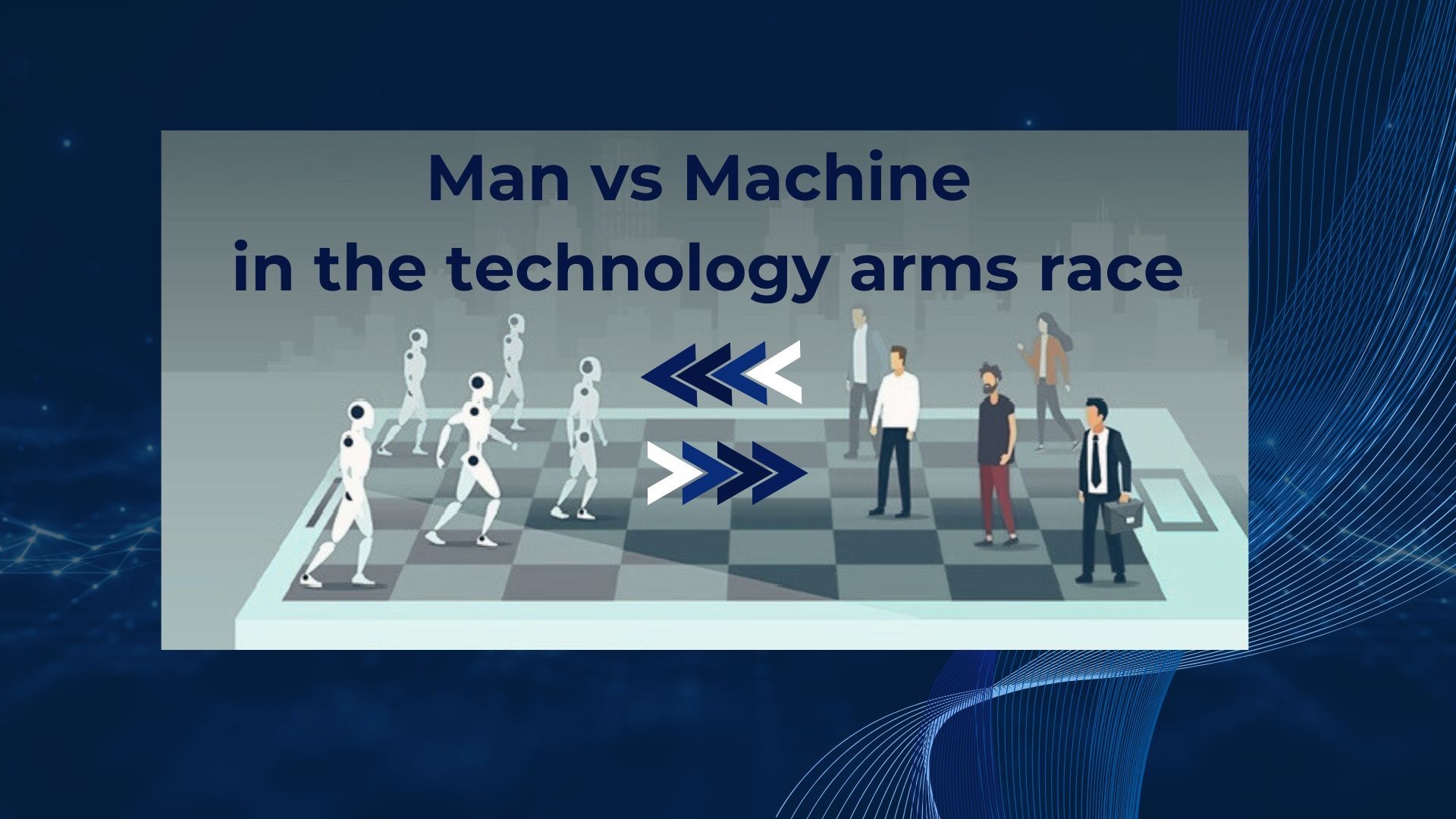
Man vs Machine in the technology arms race
As technology advances, insurers must carefully balance automation through algorithms with the indispensable value of human judgment.

The future of commercial underwriting and how to prepare for it
Why Legacy Pricing Systems Are Holding Insurers Back
.jpeg)
What part will AI play in the future of commercial insurance pricing?
AI is transforming commercial insurance pricing—are you leveraging its full potential?

Tokio Marine HCC International partners with Optalitix to revolutionise pricing and underwriting processes
This partnership will deliver advanced data-driven solutions, improving pricing accuracy, risk insights, and operational efficiency

Healthy capacity brings stable 2025 reinsurance renewals season
Explore how healthy capacity is shaping a stable 2025 reinsurance renewals season. Learn about key trends, market dynamics, and opportunities for insurers in our latest analysi