

Why is it that in an environment so dependent on the richness of data, the insurance industry still relies on systems that are built simply to transact? Too many insurers claim to deploy modern, cutting edge technology solutions yet their systems are built to process actions without using the valuable insights from their data that can improve the user experience. By building a system that only gets you from point A to point B, existing insurance systems become processing engines that don’t think.
The guesswork is left to their staff and clients using the system, who often make their own subjective decisions as the system provides no insight, despite the volumes of data available to it.These “dumb” systems are no longer going to cut it with the introduction of new InsurTech companies that focus on the customer experience and bring innovations throughout the insurance process, from sales to administration to claims.The question that needs to be asked at the start of a system design is whether those setting up the processes are equipped with the skills needed to ensure that the system “learns” from the customer journey and is capable of using this to improve the process afterwards. In most cases they are not! As a result, the process is not as efficient and effective as it should be.
When setting up these systems, a clear differentiation needs to be made between the “actions” part of the machine and the “brains”. There is a difference between just “doing” and “processing, learning and improving”. The challenge faced by decision makers tasked with implementing machine learning in their processes is identifying developers who can do two things – build a process and enable it to evolve. There are many smart developers who are great at creating task and goal orientated processes, but developers that create systems to analyse, observe and optimise have a completely different skill set – this requires a fusion of data science and technology.For optimum productivity, data will be fed into a decision engine, models will be developed, algorithms will run, whilst simultaneously feeding back fresh insight into the system, suggesting real time changes to the user experience such as new product offerings, personalised incentives, useful marketing messages and improved claims handling. If systems lack inbuilt data science capabilities, insurers will need to bring in external resources to analyse the data, often using (delayed) offline processes and with higher human costs and biases.
This can compromise the customer journey and reduce efficiency. Sales will be lost due to inappropriate focus, claims will be mismanaged due to routing delays and lapse rates increase due to inefficient retention strategies. The actual cost to the insurer ends up being much higher.Decision makers that recognise the need to design systems to learn will shorten the insight loop by appreciating the value that real time business intelligence can add. They benefit from thinking systems as opposed to processing systems.To be competitive, insurers should be asking how smart their systems are, and whether their processes learn and improve over time. If the answer is no, the guessing game will continue.

The Optalitix Newsletter: Spring 2025
Explore the latest industry news and events in our Spring Newsletter - your inside track on the fast-evolving insurance landscape.
Transforming Pool Re’s Reinsurance Scheme with Optalitix Quote
Revolutionising Treaty and Claims Management in only 6 Months
Innovate your pricing: 7 key benefits
Discover why leading insurers are choosing Optalitix to streamline underwriting and pricing—faster value, no-code Excel integration, and empowered actuarial teams, all without costly consultants or lengthy rebuilds
Frequency‐Severity Modeling in Commercial Insurance
Transforming complexity into clarity in technical pricing
Optalitix Partners with SortSpoke to Revolutionise Underwriting with AI-Powered Document Processing
AI Integration Automates Data Extraction and Accelerates Quote Generation

Optalitix and Go.Compare to Exhibit at BIBA 2025
Visit Us at Stand F79 – 14–15 May, Manchester

Optalitix and Pool Re Shortlisted for Digital Insurance Innovation of the Year
Recognising Innovation at the British Insurance Awards 2025

The California Wildfires: An industry-defining event
Explore how the California wildfires have become a turning point for the insurance industry. Learn how insurers are adapting through advanced data analytics, risk modelling, and technology.

Meet Optalitix at Insurtech Insights
Join leading experts to gain insight into and improve your knowledge on challenging and strategic issues and stay on top of future trends.

Optalitix partners with CannGen to revolutionise underwriting for a fast-growing industry
A Strategic Alliance to Digitise Pricing Models and Streamline Operations Across North America and Europe
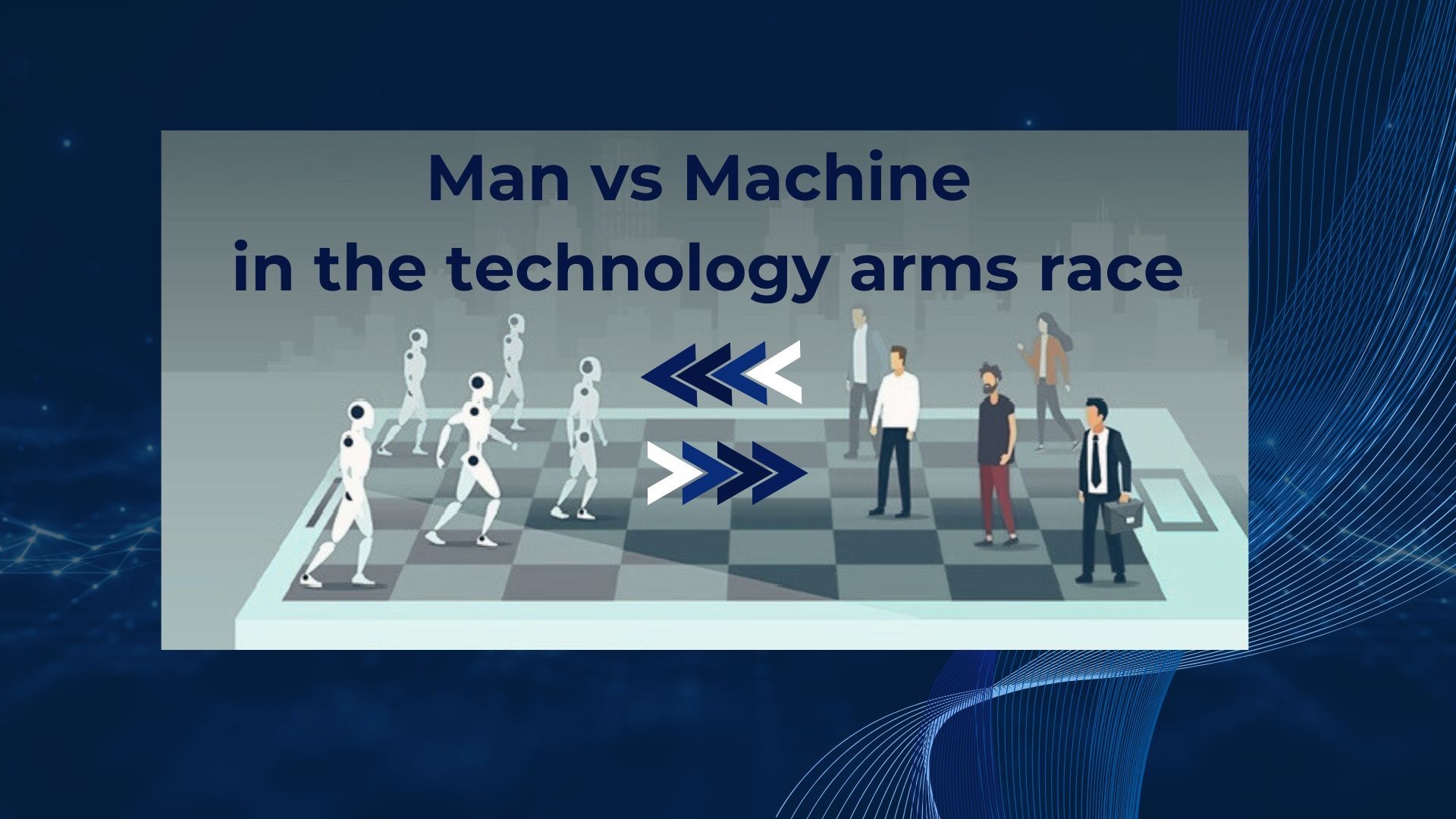
Man vs Machine in the technology arms race
As technology advances, insurers must carefully balance automation through algorithms with the indispensable value of human judgment.
The future of commercial underwriting and how to prepare for it
Why Legacy Pricing Systems Are Holding Insurers Back
.jpeg)
What part will AI play in the future of commercial insurance pricing?
AI is transforming commercial insurance pricing—are you leveraging its full potential?

Tokio Marine HCC International partners with Optalitix to revolutionise pricing and underwriting processes
This partnership will deliver advanced data-driven solutions, improving pricing accuracy, risk insights, and operational efficiency

Healthy capacity brings stable 2025 reinsurance renewals season
Explore how healthy capacity is shaping a stable 2025 reinsurance renewals season. Learn about key trends, market dynamics, and opportunities for insurers in our latest analysi