

Why is it that in an environment so dependent on the richness of data, the insurance industry still relies on systems that are built simply to transact? Too many insurers claim to deploy modern, cutting edge technology solutions yet their systems are built to process actions without using the valuable insights from their data that can improve the user experience. By building a system that only gets you from point A to point B, existing insurance systems become processing engines that don’t think.
The guesswork is left to their staff and clients using the system, who often make their own subjective decisions as the system provides no insight, despite the volumes of data available to it.These “dumb” systems are no longer going to cut it with the introduction of new InsurTech companies that focus on the customer experience and bring innovations throughout the insurance process, from sales to administration to claims.The question that needs to be asked at the start of a system design is whether those setting up the processes are equipped with the skills needed to ensure that the system “learns” from the customer journey and is capable of using this to improve the process afterwards. In most cases they are not! As a result, the process is not as efficient and effective as it should be.
When setting up these systems, a clear differentiation needs to be made between the “actions” part of the machine and the “brains”. There is a difference between just “doing” and “processing, learning and improving”. The challenge faced by decision makers tasked with implementing machine learning in their processes is identifying developers who can do two things – build a process and enable it to evolve. There are many smart developers who are great at creating task and goal orientated processes, but developers that create systems to analyse, observe and optimise have a completely different skill set – this requires a fusion of data science and technology.For optimum productivity, data will be fed into a decision engine, models will be developed, algorithms will run, whilst simultaneously feeding back fresh insight into the system, suggesting real time changes to the user experience such as new product offerings, personalised incentives, useful marketing messages and improved claims handling. If systems lack inbuilt data science capabilities, insurers will need to bring in external resources to analyse the data, often using (delayed) offline processes and with higher human costs and biases.
This can compromise the customer journey and reduce efficiency. Sales will be lost due to inappropriate focus, claims will be mismanaged due to routing delays and lapse rates increase due to inefficient retention strategies. The actual cost to the insurer ends up being much higher.Decision makers that recognise the need to design systems to learn will shorten the insight loop by appreciating the value that real time business intelligence can add. They benefit from thinking systems as opposed to processing systems.To be competitive, insurers should be asking how smart their systems are, and whether their processes learn and improve over time. If the answer is no, the guessing game will continue.
Get rid of the cr…p and do something Cool!
Read the valuable insights offered by Buster Tolfree the Commercial Director – Mortgages at a Tip-Talks event co-sponsored by United Trust Bank and Optalitix.

The Magic of AI
Demystifying AI is a challenge facing most businesses as automation and machine learning shift to being a necessity. Read more about the magic of AI here.
Google’s AI Claims to Be Improving How It Recognises News and Misinformation
Google's Vice President, Pandu Nayak claims that Google is using AI to better understand news and misinformation. Read more about Nayak's theory in this guide.
DeepMind AI Explores How to Improve Chess
Deepmind is an AI company using machine learning to reinvent the game of chess as we know it, with the help of chess champion Vladimir Kramnik. Learn more here.
Dani Katz runs 18km as part of Optalitix Fundraising
Optalitix co-founder Dani Katz ran 18km as part of Optalitix’s fundraising efforts this summer. Read about how he did and the charities that Dani ran for here.
Optalitix Joins Google Cloud Partner Advantage Program
Market leaders in AI and machine learning solutions, Optalitix, announced it has joined the Google Cloud Partner Advantage Program as a Sell and Build partner.
AI Breakthrough Could Accelerate Machine Learning Development
Researchers achieved a new AI breakthrough whereby using light for performing computations can improve machine learning neural networks in speed and efficiency.
AI Used on Facebook and Twitter to Detect Foreign ‘Trolls’
Researchers claim to have trained a machine learning system to identify posts on social media that aim to manipulate political events. Read more in this guide.
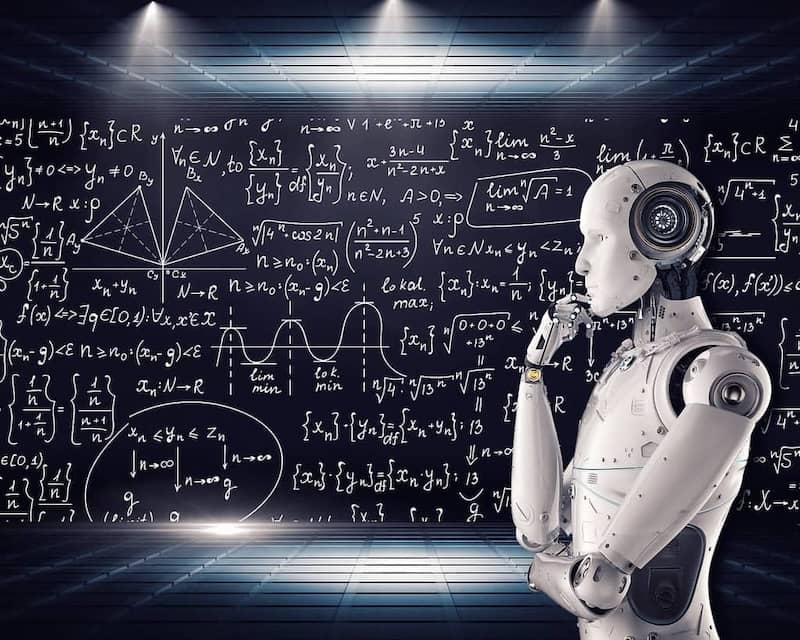
Next Generation of AI Described as “Too Dangerous to Release” – Now Released
The Artificial intelligence tool Generative Pre-training Transformer (GPT-3) has gained much attention, but is the technology dangerous? Learn more now.

Elon Musk Predicts AI Will Overtake Humans in 5 Years
Elon Musk has recently claimed that Artificial Intelligence could overtake humans by 2025, and discussed these predictions in a New York Times interview.

Optalitix Named Amongst Start-up Elite in the TechRound100
Optalitix is a finalist in the TechRound100, ranking in the top 100 UK start-ups that have been praised for their innovation. Learn about this competition here.
Identifying Unwanted Bias in Machine Learning
With human-made models comes human-biases, machine learning models are inclined to reflect the biases of the team who built it and the data it is fed.
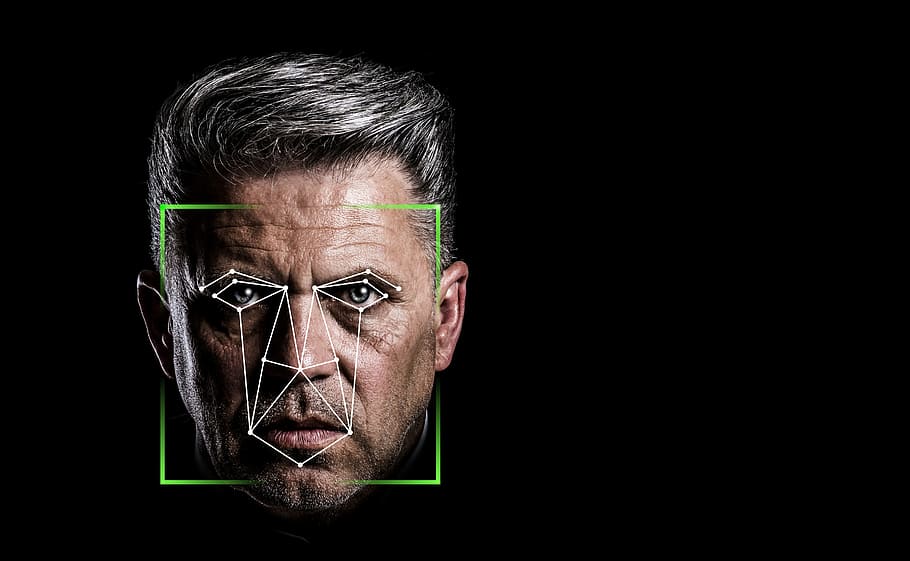
Concerns Rise Over AI Racial Bias as Facial Recognition “Predicts Criminality”
The debate over racial bias in tech has been renewed as a US university claims it can predict criminality through facial recognition. Learn more in this guide..
How Is AI Helping to Fight the Impacts of COVID-19?
AI and machine learning have become key tools in helping to tackle the pandemic, not just in understanding the virus but also how to support different industries.
The Top 5 Strangest Uses of AI
Whilst AI has transformed many essential areas of society, some have also begun to use its technology for the weirder. Take a look at some odd uses of AI here.