

Technology is making us impatient. Most of us now use the Internet to find information or buy something, and in most cases we find what we want with little effort. Yet when it comes to buying insurance, consumers encounter several barriers. Behavioural economists tell us that people prefer not to think when making a purchase, whereas buying insurance requires a lot of thought. Insurers generally force customers to face difficult questions and choices. As a result, customers delay their insurance purchase until another time or even worse, never.The often arduous online application process causes many to drop out and seek human advice (if they can’t put off the purchase). This leads to a low rate of web conversions. Consequently, many insurers conclude that the online channel doesn't work for their products. The truth, however, is that people want to buy everything online, including insurance. Consumers may just be put off by the current one-size-fits-all approach to selling insurance.Customising the online experience can help attract more customers online. A lot of data about customers is available to insurers - what they like, the products they buy and how they prefer to buy something. The best websites use hundreds of data points and algorithms to personalise our online shopping experience without us realising it.For example, Google knows what you are searching for, based on your location, the context of the request, and what other similar people have queried - in addition to other data items. Apart from the basic search algorithm that helps determine your custom search results, Google has at least 20 visible algorithms running. However, we take this level of personalization for granted until we step into a traditional insurance journey.Like Google, insurers have access to powerful data on their customers and using it in smart algorithms can help create a seamless online experience. The User Interface (UI) on PCs and mobile devices could be designed to be personalised by using the data to determine these items:
- The best product to offer the customer
- The value of the sale to the business, and the likelihood of it happening
- The best channel to interact with the potential buyer
- Appropriate marketing messages to display
Why aren’t most insurers using data to create personalised customer journeys? One reason is the variety of technical requirements and skills needed including: A database that integrates all the information, system skills to process the data in real-time (quote data, as well as other internal and external data), analytical skills to gain insight, website coding and system capability to run the models, and the ability to monitor the impact and enable the models learn from past experience. Finally, creating a personalised customer experience requires a savvy marketing team that can quickly point out the issues about the brand.Since traditional insurers are generally busy with improving products and services for the existing customer base or stuck with legacy processes and systems, smaller companies today tend to be better at coming up with personalising products. InsurTechs are providing some of the industry’s most innovative and radical solutions - and generating sales from it.Overhauling internal infrastructure takes time; incumbents need to collaborate with niche companies to help them create products and services that challenge InsurTechs. Niche companies provide the analytical services to personalise the quote process and the systems to deliver these insights in real time. They can help incumbents by delivering these processes and providing in-house technical skills. Many insurers are investing in these companies or buying their products to get a lead on their competitors. Gen Re is partnering with Optalitix, and with other tech companies, to help clients visualise innovation and explore different solutions.For more information, see AI for insurance.Dani Katz
What are the four types of artificial intelligence?
Reactive machines, theory of mind, limited memory, and self-awareness are four main types of AI categories to be aware of. Read more about them in this guide.
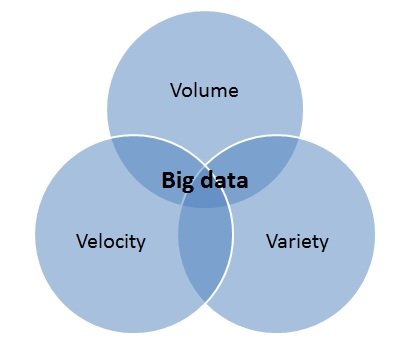
What are the 3 V's of big data?
What are the 3 v’s of big data? Find out more as the data experts at Optalitix explain what they mean by using examples to illustrate each of them.

How to Become a Data Scientist
When pricing a new product, the starting point is almost always Excel. Learn how to create a pricing application from a spreadsheet pricing model here.
Holiday AI Thoughts
The key to selling is to establish a relevant dialogue and understanding with your clients. Find out how AI systems can be used to target the right consumers.
Artificial Intelligence powered insurance is now inevitable!
AI is changing the competitive landscape for insurers by delivering a competitive edge in a number of areas. Read more about AI in insurance.
AI Accessible for all - Ignore at your peril!
As AI continues to develop, businesses of all sizes will need to engage with the technology and embrace the power of machine learning to improve their processes.
The Computable Game
Data analysis with Optalitix—an online underwriting tool offering advanced data-based services, including database management and analytics to insurers & bankers.
AI and machine learning in a GDPR environment.
GDPR refers to the EU’s upcoming data protection regime. Find out whether the anonymisation of data, as prescribed by GDPR, would break AI models and more here.
Cultural diversity drives better AI outcomes
Agile organisations that can respond to the global challenges of their often multinational customer base are often the ones that thrive. Read more in this guide.
Why cant lending be like Uber?
Lending is constantly changing with entrants, regulations and technology. Learn how technology can give businesses market leading edge like Uber in this guide.
Why are Insurers playing a guessing game?
Numerous insurers overlook advanced solutions. Make sure your company leverages valuable insights from its data to enhance the user experience with Optalitix!
The future of life insurance
In the past, choosing the right life insurance was an arduous task. Thanks to data analysis and algorithms, shopping for life insurance has become much simpler.
Insurance quote personalisation is magic!
Dani Katz talks about how Optalitix can improve every aspect of the insurance business through better use of data, quotations and more. Read more in this guide.
A meaningful connection. The next phase of API relationships.
Data analytics and API closely intertwine, but what is the next phase in their relationship? Learn more about this successful financial connection here.