

In the future, workplaces could be fundamentally different from what we experience today, with technologies in Artificial Intelligence (AI) transforming the world of work for a multitude of different industries.
Whilst the future of the workplace may come with some fantastic adaptations, it could also come with a whole host of new challenges that workers will have to adjust to. Below is a list with some of the main areas of the workplace that AI could change in the coming years:
- Staff collaboration
- Remote working
- Employee hiring and retention
- Business insights
Staff Collaboration
Many believe that human-machine collaboration will become an integral part to future workplaces, increasing productivity and thereby the success of the company. This collaboration could help to speed up many of the processes throughout a business, however, this will only be the case if collaboration runs smoothly.
The future could see a focus in job requirements and desired skills for potential employees, including a know-how of certain AI technologies and how to operate them, as these could become an increasingly integral part to many different businesses.
Remote Working
AI could also help future workplaces to collaborate more with remote workers, improving accessibility so that employees can conduct their work in their homes as effectively as if they were in the office.
One example of this is that AI could also make telerobotics more common within the workplace. Remote workers of the future could be able to operate sophisticated technology from a distance (e.g. their homes), which could completely reshape the way future workspaces function.
What this also means is that employees with a technical and specialist role in the company can have more freedom in where they want to work. This may help to improve staff retention and attract new talent, often looking for this highly sought-after flexibility.

Hiring Employees
AI technology may also help to revolutionise hiring, enabling businesses to analyse large quantities of resumes and social profiles, sifting through to find a precise list of the potential candidates for certain roles.
As well as finding them, AI technologies can also automatically interact with potential candidates, meaning businesses can both find and attract the best talent out there for open positions quickly and effectively.
The future of workplaces could therefore see improved efficiency in the hiring process, both in the quality and compatibility of potential candidates to the job role as well as the time in which they were found.
Business Insights
Workspaces are already gaining great insights into their business through the help of AI; its technology being used to better understand customers, learning how to attract new ones whilst also retaining those that already exist.
Considering the level of this technology now, the future for business insights is looking very exciting, and could lead to an even deeper understanding about how to improve the productivity, and thereby success, of businesses everywhere.
What are the four types of artificial intelligence?
Reactive machines, theory of mind, limited memory, and self-awareness are four main types of AI categories to be aware of. Read more about them in this guide.
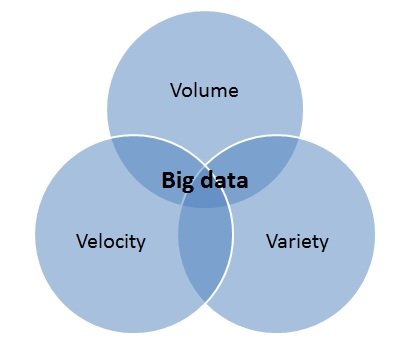
What are the 3 V's of big data?
What are the 3 v’s of big data? Find out more as the data experts at Optalitix explain what they mean by using examples to illustrate each of them.

How to Become a Data Scientist
When pricing a new product, the starting point is almost always Excel. Learn how to create a pricing application from a spreadsheet pricing model here.
Holiday AI Thoughts
The key to selling is to establish a relevant dialogue and understanding with your clients. Find out how AI systems can be used to target the right consumers.
Artificial Intelligence powered insurance is now inevitable!
AI is changing the competitive landscape for insurers by delivering a competitive edge in a number of areas. Read more about AI in insurance.
AI Accessible for all - Ignore at your peril!
As AI continues to develop, businesses of all sizes will need to engage with the technology and embrace the power of machine learning to improve their processes.
The Computable Game
Data analysis with Optalitix—an online underwriting tool offering advanced data-based services, including database management and analytics to insurers & bankers.
AI and machine learning in a GDPR environment.
GDPR refers to the EU’s upcoming data protection regime. Find out whether the anonymisation of data, as prescribed by GDPR, would break AI models and more here.
Cultural diversity drives better AI outcomes
Agile organisations that can respond to the global challenges of their often multinational customer base are often the ones that thrive. Read more in this guide.
Why cant lending be like Uber?
Lending is constantly changing with entrants, regulations and technology. Learn how technology can give businesses market leading edge like Uber in this guide.
Why are Insurers playing a guessing game?
Numerous insurers overlook advanced solutions. Make sure your company leverages valuable insights from its data to enhance the user experience with Optalitix!
The future of life insurance
In the past, choosing the right life insurance was an arduous task. Thanks to data analysis and algorithms, shopping for life insurance has become much simpler.
Insurance quote personalisation is magic!
Dani Katz talks about how Optalitix can improve every aspect of the insurance business through better use of data, quotations and more. Read more in this guide.
A meaningful connection. The next phase of API relationships.
Data analytics and API closely intertwine, but what is the next phase in their relationship? Learn more about this successful financial connection here.