

It’s recently been reported that Google are using machine learning and AI software to better detect breaking news. Through utilising such technologies, the tech giant has claimed it can identify pressing news around the topic of crises – e.g. natural disasters – faster than it ever has before.
This news come from Google’s vice president of search Pandu Nayak, revealing that through such systems, Google is able to detect breaking news in a matter of minutes – an impressive advancement from its detection of the same type of content just a few years ago, in which it would take 40 minutes.
Having a faster detection of breaking news will most likely be essential as incidents of natural disasters present themselves across the world – and of which can change course considerably quickly. Faster detection of accurate breaking news can help to keep people up to date on the latest from emerging crises.
[caption id="attachment_637" align="aligncenter" width="700"]

Google Vice President, Pandu Nayak[/caption]
Nayak states: “Over the past few years, we’ve improved our systems to … ensure we’re returning the most authoritative information available,”
“As news is developing, the freshest information published to the web isn’t always the most accurate or trustworthy, and people’s need for information can accelerate faster than facts can materialise.”
In a related vein, Google has also announced updates in their attempts to tackle the spread of misinformation. The tech giant have recently launched an update with the help of BERT-based language understanding models, improving how they match news stories with the fact checks available.
As claimed by Nayak, their systems have improved, and now understand better whether fact check claims are related to a new piece’s topic.
“Our improvements in detecting crisis events expands on our work in 2017 to improve the quality of results for topics that might be susceptible to hateful, offensive and misleading information.”
“Those improvements remain fundamental to how we handle low-quality information in Search and News products, and since then, we’ve continuously updated our systems to be able to detect topic areas that may be at risk for misinformation. We’re continuing to train and test out systems to ensure that whatever people are searching for, they can find reliable information.”
This news from Google comes at an apt time, with the U.S. 2020 election nearing alongside such recent natural disasters as the Oregon and California wildfires – all amidst an everchanging backdrop of COVID-related updates regarding rules, regulations and infection rates. Fast and accurate information surrounding crucial, often quick-changing updates is arguably needed now more than ever.
What are the four types of artificial intelligence?
Reactive machines, theory of mind, limited memory, and self-awareness are four main types of AI categories to be aware of. Read more about them in this guide.
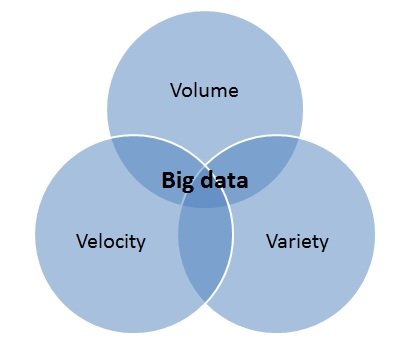
What are the 3 V's of big data?
What are the 3 v’s of big data? Find out more as the data experts at Optalitix explain what they mean by using examples to illustrate each of them.

How to Become a Data Scientist
When pricing a new product, the starting point is almost always Excel. Learn how to create a pricing application from a spreadsheet pricing model here.
Holiday AI Thoughts
The key to selling is to establish a relevant dialogue and understanding with your clients. Find out how AI systems can be used to target the right consumers.
Artificial Intelligence powered insurance is now inevitable!
AI is changing the competitive landscape for insurers by delivering a competitive edge in a number of areas. Read more about AI in insurance.
AI Accessible for all - Ignore at your peril!
As AI continues to develop, businesses of all sizes will need to engage with the technology and embrace the power of machine learning to improve their processes.
The Computable Game
Data analysis with Optalitix—an online underwriting tool offering advanced data-based services, including database management and analytics to insurers & bankers.
AI and machine learning in a GDPR environment.
GDPR refers to the EU’s upcoming data protection regime. Find out whether the anonymisation of data, as prescribed by GDPR, would break AI models and more here.
Cultural diversity drives better AI outcomes
Agile organisations that can respond to the global challenges of their often multinational customer base are often the ones that thrive. Read more in this guide.
Why cant lending be like Uber?
Lending is constantly changing with entrants, regulations and technology. Learn how technology can give businesses market leading edge like Uber in this guide.
Why are Insurers playing a guessing game?
Numerous insurers overlook advanced solutions. Make sure your company leverages valuable insights from its data to enhance the user experience with Optalitix!
The future of life insurance
In the past, choosing the right life insurance was an arduous task. Thanks to data analysis and algorithms, shopping for life insurance has become much simpler.
Insurance quote personalisation is magic!
Dani Katz talks about how Optalitix can improve every aspect of the insurance business through better use of data, quotations and more. Read more in this guide.
A meaningful connection. The next phase of API relationships.
Data analytics and API closely intertwine, but what is the next phase in their relationship? Learn more about this successful financial connection here.