


The FCA has changed the game for more established players in the insurance sector with its significant gear change in pricing for insurance business. The gap between new business and renewal pricing under the new guidelines will need to be brought in line, which is causing market disruption as many insurers have complex pricing methodologies in place that discounts the initial sale. In our analysis of industry data, there are examples of insurers not only losing their dominant position (reducing their previously high number of pricing ranks), but also reducing their market share for key risk groups. The immediate impact of this new legislation is perhaps most measurable in the form of market share. A telling shift in who is winning business and who is being competitive can largely be attributed to the new pricing requirement. Some of the larger insurers with more complex methodologies are losing share because of price differences that are no longer competitive. The removal of cross subsidies between new business and renewals negatively influence their new policy pricing, and coupled with a new pricing strategy in line with the changing regulatory environment has proven bad for business. Smaller, more agile insurers have been able to adjust to this new pricing change with less turmoil and greater speed and have accommodated the new pricing regulations with greater ease, empowered by their ability to retain stable pricing and increase market share, simply because there is now more business at their price point.
The longer-term impact of this new regulation is constantly evolving, and over the next 12 months it will be paramount that insurers keep a close eye on what could be a continual set of interesting changes. Insurers that have lost share will now need to take a deeper dive into addressing the imbalance at a time when business volume will be less certain. Smaller and medium-sized insurers will need to adapt to the larger volumes of business they are acquiring. This increased volume will put unplanned operational pressures on the business infrastructure and considerations will be needed to provision systems and operational capacity. Insurers will also be having to deal with the impact of the pandemic on consumer behavior, fewer people traveling to work, more people working from home and a general lifestyle re-assessment that will no doubt spill into insurance pricing.
There are bound to be more stable areas across certain risk categories and segments, with the more price-sensitive groups experiencing the biggest changes. However, it is likely we will see greater stability amongst more niche sectors where there has always been less of a competitive environment. It is one thing being able to identify and accept that change is happening, but something else to plan and adapt to it in such a way that business is not disrupted. Processes and systems should not be negatively impacted, and most importantly profitability must be sustained in the short term and increased in the future. The question now facing the industry is how is this achieved?
We hope you stay tuned to this series of articles where we will be providing more detailed insights into shifts in the market based pricing based on our analyses of market data. In our next article we will look at the segments with greater pricing stability in the market and how the people’s travel habits change in combination with insurers’ re-pricing reaction to the FCA regulations. Thereafter, we’ll be explaining how we are helping insurers in the market react and capitalise on these rapid fluctuations.
Get rid of the cr…p and do something Cool!
Read the valuable insights offered by Buster Tolfree the Commercial Director – Mortgages at a Tip-Talks event co-sponsored by United Trust Bank and Optalitix.

The Magic of AI
Demystifying AI is a challenge facing most businesses as automation and machine learning shift to being a necessity. Read more about the magic of AI here.
Google’s AI Claims to Be Improving How It Recognises News and Misinformation
Google's Vice President, Pandu Nayak claims that Google is using AI to better understand news and misinformation. Read more about Nayak's theory in this guide.
DeepMind AI Explores How to Improve Chess
Deepmind is an AI company using machine learning to reinvent the game of chess as we know it, with the help of chess champion Vladimir Kramnik. Learn more here.
Dani Katz runs 18km as part of Optalitix Fundraising
Optalitix co-founder Dani Katz ran 18km as part of Optalitix’s fundraising efforts this summer. Read about how he did and the charities that Dani ran for here.
Optalitix Joins Google Cloud Partner Advantage Program
Market leaders in AI and machine learning solutions, Optalitix, announced it has joined the Google Cloud Partner Advantage Program as a Sell and Build partner.
AI Breakthrough Could Accelerate Machine Learning Development
Researchers achieved a new AI breakthrough whereby using light for performing computations can improve machine learning neural networks in speed and efficiency.
AI Used on Facebook and Twitter to Detect Foreign ‘Trolls’
Researchers claim to have trained a machine learning system to identify posts on social media that aim to manipulate political events. Read more in this guide.

Next Generation of AI Described as “Too Dangerous to Release” – Now Released
The Artificial intelligence tool Generative Pre-training Transformer (GPT-3) has gained much attention, but is the technology dangerous? Learn more now.

Elon Musk Predicts AI Will Overtake Humans in 5 Years
Elon Musk has recently claimed that Artificial Intelligence could overtake humans by 2025, and discussed these predictions in a New York Times interview.

Optalitix Named Amongst Start-up Elite in the TechRound100
Optalitix is a finalist in the TechRound100, ranking in the top 100 UK start-ups that have been praised for their innovation. Learn about this competition here.
Identifying Unwanted Bias in Machine Learning
With human-made models comes human-biases, machine learning models are inclined to reflect the biases of the team who built it and the data it is fed.
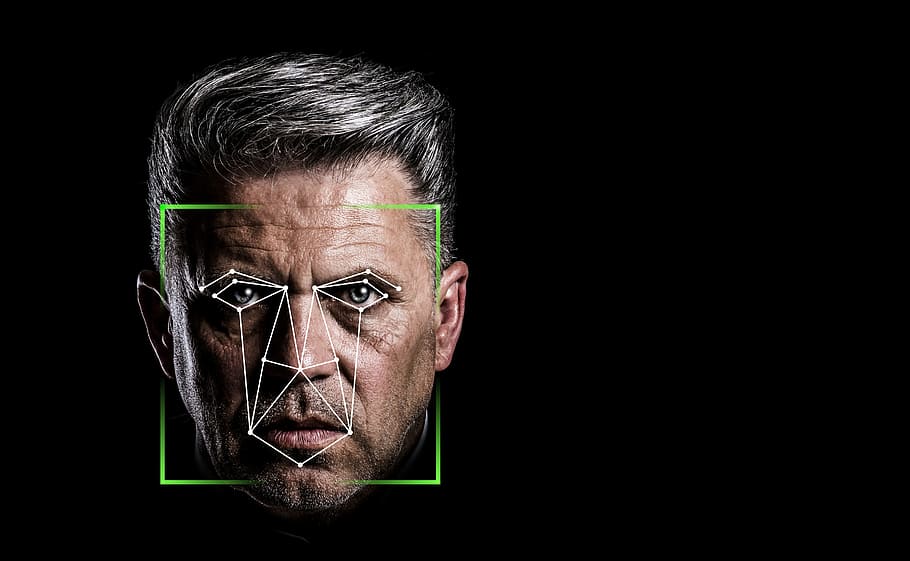
Concerns Rise Over AI Racial Bias as Facial Recognition “Predicts Criminality”
The debate over racial bias in tech has been renewed as a US university claims it can predict criminality through facial recognition. Learn more in this guide..
How Is AI Helping to Fight the Impacts of COVID-19?
AI and machine learning have become key tools in helping to tackle the pandemic, not just in understanding the virus but also how to support different industries.
The Top 5 Strangest Uses of AI
Whilst AI has transformed many essential areas of society, some have also begun to use its technology for the weirder. Take a look at some odd uses of AI here.